Astrolabe Reef Diving: Kadavu's Crown Jewel of Underwater Paradise
Astrolabe Reef, encircling the pristine waters of Kadavu Island, stands as Fiji's largest barrier reef system and one of the world's most spectacular diving destinations. This 100-kilometer reef barrier creates a natural aquarium where pristine coral gardens meet dramatic drop-offs, offering divers an unparalleled journey through untouched marine wilderness just 100 kilometers south of Viti Levu. Combined with nearby Kadavu Island diving sites, this region offers Fiji's most comprehensive diving experience.
Fiji's Largest Barrier Reef System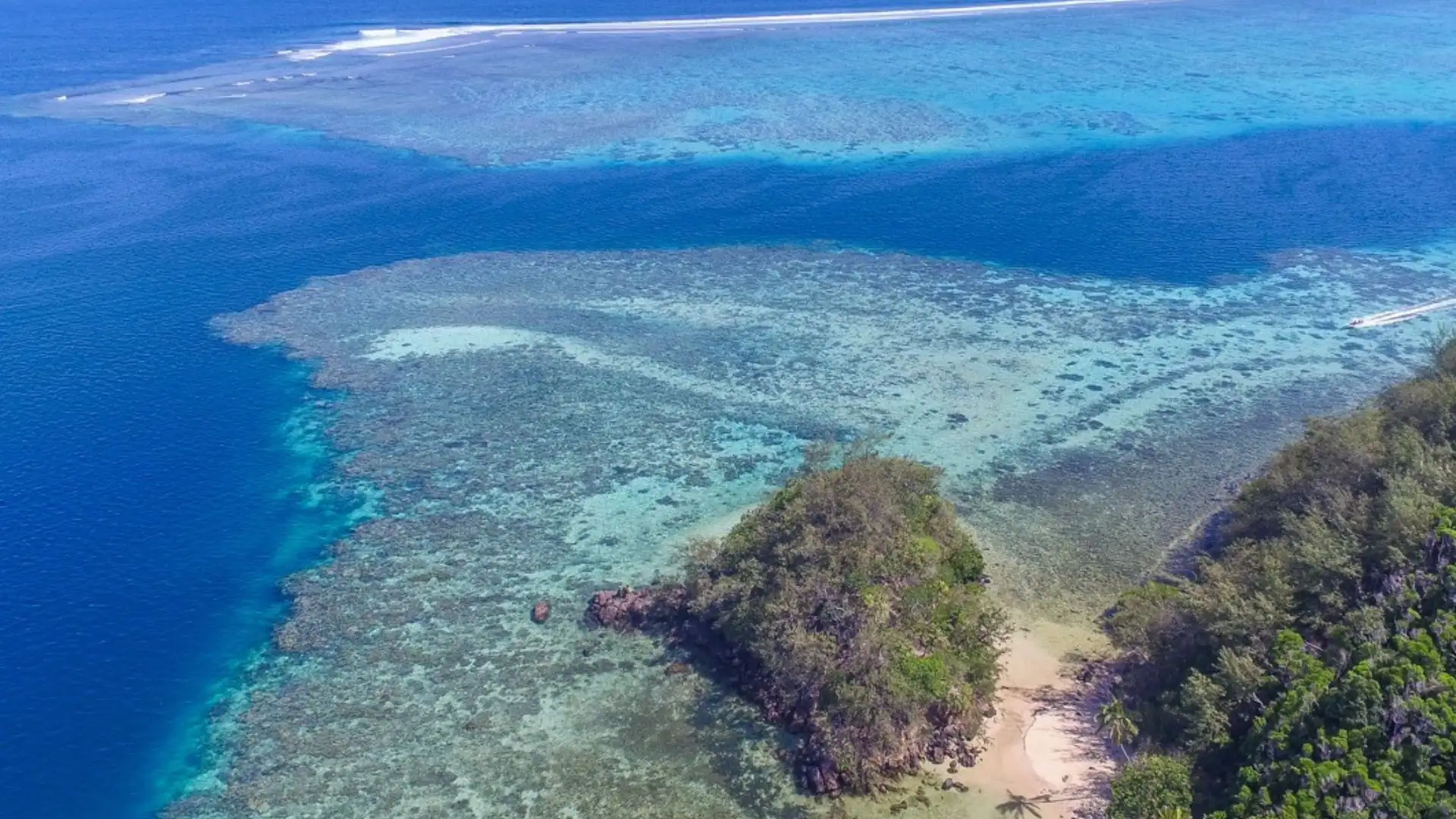
The Great Barrier of the South
Astrolabe Reef stretches across 100 kilometers of pristine ocean, forming a natural fortress that has protected Kadavu's marine ecosystems for millennia. Named after the French naval vessel L'Astrolabe which surveyed these waters in the 1820s, this massive reef system encompasses over 350 documented dive sites, each offering unique underwater landscapes and marine encounters.
The reef's strategic position in the Koro Sea creates a perfect storm of marine biodiversity, where nutrient-rich currents from the deep Pacific converge with warm tropical waters. This convergence zone supports over 500 species of hard corals, 1,000 fish species, and serves as a critical habitat for endangered marine megafauna including manta rays, whale sharks, and hawksbill turtles. For those seeking similar current-rich diving experiences, the Bligh Water Passage offers comparable pelagic encounters in Fiji's northern waters.
Marine Biodiversity Hotspot
Astrolabe Reef ranks among the top 10 coral reef systems globally for marine biodiversity. Recent marine surveys documented over 2,000 marine species, including 15 endemic species found nowhere else on Earth. The reef system supports critical breeding populations of endangered species and serves as a marine protected area under Fijian traditional management systems.
World-Class Dive Sites
The Astrolabe Reef system offers an extraordinary diversity of diving experiences, from shallow coral gardens perfect for beginners to adrenaline-pumping drift dives along vertical walls that descend beyond recreational diving limits. Each section of the reef presents unique characteristics shaped by currents, depth, and geographic position.
Namalata Reef
Spectacular coral bommies rising from 30m to 5m, featuring massive table corals, schools of humphead parrotfish, and frequent manta ray encounters.
Kadavu Wall
Dramatic vertical drop-off starting at 15m, covered in soft corals and sea fans, home to pelagic species and deep-water marine life.
Manta Reef
World-famous manta ray cleaning station at 18-25m, offering guaranteed encounters with these gentle giants year-round.
Yanuca Pass
Thrilling drift dive through coral-lined channel, featuring schools of barracuda, jacks, and frequent shark encounters.
Manta Ray Paradise
Astrolabe Reef is globally renowned as one of the most reliable destinations for manta ray encounters. The reef system hosts multiple cleaning stations where resident populations of reef manta rays congregate year-round for grooming services provided by cleaner fish. These gentle giants, with wingspans reaching up to 7 meters, have become ambassadors for Fiji's marine conservation efforts.
The manta ray population around Astrolabe Reef includes over 150 individually identified animals, with ongoing research programs tracking their behavior, migration patterns, and breeding cycles. Divers can participate in citizen science programs, contributing to manta ray identification databases and conservation research.
Cleaning Stations
Multiple active cleaning stations provide 95% manta encounter success rate year-round.
Research Programs
Ongoing manta ray research contributes to global understanding of these magnificent creatures.
Conservation Impact
Tourism revenue directly funds marine protected area management and local community development.
Pristine Coral Ecosystems
The remote location and traditional Fijian marine management have preserved Astrolabe Reef's coral ecosystems in near-pristine condition. Hard coral coverage exceeds 80% across most dive sites, with staghorn, table, and massive brain corals creating complex three-dimensional structures that support incredible marine biodiversity.
Soft coral gardens add spectacular color to the underwater landscape, with vibrant purple, orange, and pink species creating underwater forests that dance in the currents. These soft corals serve as nursery areas for juvenile fish and provide essential habitat for endemic species found only in Fijian waters. For snorkelers seeking similar coral viewing experiences in calmer waters, Caqalai Island Beach offers excellent shallow reef snorkeling.
Hard Coral Gardens
Pristine staghorn and table coral formations create underwater cities teeming with tropical fish species.
Soft Coral Forests
Vibrant soft coral gardens providing spectacular photography opportunities and marine habitat.
Fish Diversity
Over 1,000 fish species including endemic Kadavu rainbow parrotfish and rare mandarin fish.
Pelagic Wildlife Encounters
Astrolabe Reef's position in open ocean attracts an impressive array of pelagic species throughout the year. Grey reef sharks patrol the outer reef slopes, while hammerhead sharks congregate at cleaning stations during specific seasons. Whale sharks make regular appearances, particularly during plankton blooms between December and April. For dedicated shark diving experiences with guaranteed encounters, Beqa Lagoon Shark Dive offers controlled feeding dives with multiple shark species.
The reef system serves as a migration corridor for humpback whales traveling between Antarctica and equatorial breeding grounds. During peak season (July to October), divers may encounter these gentle giants during surface intervals, with whale song audible during underwater safety stops.
Traditional Marine Conservation
Astrolabe Reef benefits from traditional Fijian marine management systems (tabu areas) combined with modern conservation science. Local communities maintain exclusive fishing rights and implement seasonal closures, creating a sustainable balance between traditional livelihoods and marine ecosystem protection. Similar community-based conservation models can be experienced at Naviti Island Beaches in the Yasawa chain.
The Kadavu Turtle Project, supported by diving tourism revenue, protects critical nesting beaches and conducts research on hawksbill and green turtle populations. Divers can participate in turtle monitoring programs and contribute to long-term conservation databases. Another excellent turtle conservation site for beach-based participation is Leleuvia Island Beach, known for its turtle nesting programs.
Conservation Participation Opportunities
- Manta ray identification and behavioral research programs
- Coral reef health monitoring and climate change impact studies
- Sea turtle nesting beach protection and hatchling release programs
- Marine debris removal and microplastic research initiatives
- Traditional fishing method documentation and cultural exchange
- Underwater photography workshops supporting conservation awareness
Diving Conditions and Seasons
Astrolabe Reef offers exceptional diving conditions year-round, with water temperatures ranging from 25°C (77°F) in winter to 29°C (84°F) in summer. Visibility typically exceeds 30 meters, often reaching 50+ meters during optimal conditions. The reef's protected lagoon areas provide calm diving conditions even when ocean swells affect exposed coastlines.
Peak diving season occurs during the dry months (May to October) when southeast trade winds are lighter and visibility reaches its maximum. However, the wet season (November to April) offers unique opportunities including whale shark encounters, manta ray mating behavior, and coral spawning events.
Advanced Diving Opportunities
Astrolabe Reef caters to technical divers seeking deeper exploration opportunities. Several sites offer walls descending beyond 60 meters, featuring deep-water coral species, rare fish populations, and unique geological formations. Technical diving services include trimix gas blends, rebreather support, and specialized deep reef exploration programs.
Night diving at Astrolabe Reef reveals an entirely different underwater world, with nocturnal species emerging from coral crevices and bioluminescent plankton creating natural underwater fireworks displays. Many dive operators offer specialized night diving programs including blackwater diving experiences. For wreck diving enthusiasts seeking varied underwater experiences, Suva Harbor Wreck Diving provides excellent historical shipwreck exploration opportunities.
Diving Safety & Certification Requirements
- Open Water certification minimum; Advanced Open Water strongly recommended
- Drift diving experience preferred due to strong currents at outer reef sites
- Nitrox certification highly recommended for extended bottom times
- Deep diving specialty required for sites exceeding 30 meters
- Comprehensive dive insurance covering remote location emergencies
- Recent diving experience within 12 months preferred
Eco-Resort Accommodations
Kadavu Island offers exceptional eco-resort accommodations designed to minimize environmental impact while maximizing comfort and diving access. Most resorts operate on renewable energy, implement comprehensive waste management systems, and source food from local organic gardens and sustainable fishing practices.
Resort-based dive operations feature purpose-built dive boats, on-site PADI/SSI instruction, equipment rental and servicing, and nitrox facilities. Many resorts offer all-inclusive packages combining accommodation, meals, unlimited diving, and cultural experiences with local communities. For a more intimate eco-lodge experience with pristine beaches, Vunanui Bay offers secluded accommodation in untouched natural settings.
Photography and Videography Paradise
Astrolabe Reef provides world-class opportunities for underwater photography and videography, from macro subjects hiding in coral crevices to wide-angle compositions featuring manta rays against pristine reef backdrops. The exceptional water clarity and abundant marine life create ideal conditions for both amateur and professional imaging.
Several resorts offer specialized photography packages including professional guides, equipment rental, and post-processing facilities. Underwater photography workshops are regularly conducted by internationally recognized marine photographers, providing instruction in both technical skills and marine conservation storytelling.
Getting to Astrolabe Reef
Kadavu Island is accessible via daily flights from Nadi (45 minutes) with Fiji Airways, landing at Kadavu Airport on the island's northern coast. Most resorts provide complimentary transfers from the airport, including scenic boat journeys to remote locations around the island's coastline. For comprehensive airport transfer information and transport options, visit our Nadi Airport transfer guide.
Alternative access includes charter boat services from Suva (4-5 hours) and liveaboard dive boats operating multi-day expeditions around the entire Astrolabe Reef system. Liveaboard options provide access to the most remote and pristine dive sites rarely visited by day-trip operations.
Dive Into Fiji's Greatest Reef System
Astrolabe Reef Diving offers an unparalleled combination of pristine marine ecosystems, guaranteed manta ray encounters, and world-class diving conditions in one of the Pacific's last true wilderness areas. Your choice to dive Astrolabe Reef directly supports traditional Fijian marine conservation, local community development, and critical research programs protecting this irreplaceable marine paradise. Experience the magic of Fiji's greatest barrier reef system and become part of its conservation legacy for future generations.