Lawai Pottery Village: Master Craftsmen of Fiji's Ancient Ceramic Traditions
Lawai Pottery Village stands as Fiji's most significant center for traditional ceramic arts, where indigenous craftsmen have preserved ancient pottery techniques for over 3,000 years. Located on Viti Levu's Coral Coast, this remarkable village represents the last bastion of authentic Fijian pottery making, where master artisans continue to create functional and ceremonial vessels using traditional methods passed down through countless generations, making Lawai an essential destination for understanding Fiji's rich cultural heritage and artistic traditions.
UNESCO Cultural Heritage Site Candidate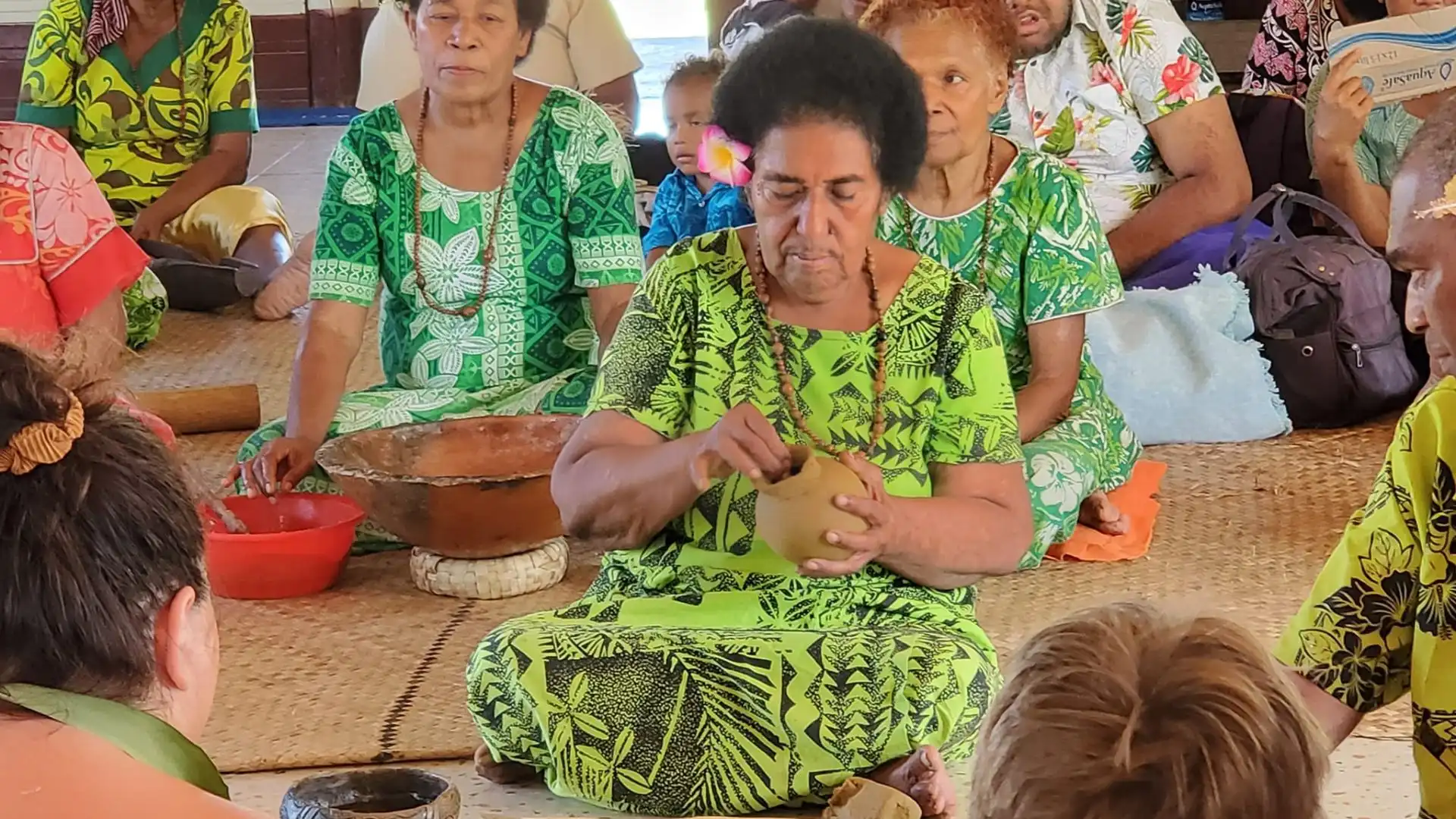
Ancient Clay Traditions of the Pacific
Lawai Village represents one of the Pacific's most remarkable examples of continuous cultural tradition, where pottery making has been practiced without interruption for over three millennia. The village's strategic location provided access to high-quality clay deposits along the Sigatoka River, enabling generations of craftsmen to develop sophisticated ceramic techniques that became renowned throughout the Pacific Islands. Archaeological evidence suggests that Lawai pottery was traded as far as Tonga, Samoa, and the Solomon Islands, establishing the village as a major cultural and economic center in pre-European Fiji, with artifacts comparable to those displayed at the Fiji Museum.
The pottery tradition at Lawai is deeply intertwined with Fijian spiritual beliefs and social customs, where certain clay types are considered sacred and specific vessel forms are reserved for ceremonial use. Master potters undergo years of training not only in technical skills but also in understanding the cultural significance, spiritual protocols, and social responsibilities associated with creating pottery that serves both functional and ceremonial purposes within traditional Fijian society.
Archaeological Significance
Lawai pottery fragments found throughout Fiji and neighboring Pacific islands provide crucial evidence for understanding ancient trade networks, cultural exchange, and the sophisticated maritime civilizations that connected Pacific island communities thousands of years before European contact.
Traditional Pottery Making Process
The pottery creation process at Lawai follows ancient protocols that begin with sacred clay collection ceremonies and extend through complex preparation, shaping, drying, and firing stages that can take several weeks to complete. Master potters carefully select clay from specific river locations during particular seasons, ensuring optimal mineral content and plasticity required for traditional vessel forms, reflecting sustainable practices rooted in deep environmental knowledge.
Clay Preparation
Sacred collection ceremonies, weathering processes, and traditional purification methods that prepare clay for shaping into functional vessels.
Hand Building Techniques
Ancient coil and paddle methods used to create water jars, cooking pots, and ceremonial vessels without potter's wheels.
Natural Decoration
Traditional surface treatments using shells, carved paddles, and natural pigments to create distinctive Fijian pottery designs.
Open-Fire Firing
Traditional firing methods using coconut husks and specific wood types that create the characteristic colors and durability of Lawai pottery.
Types of Traditional Fijian Pottery
Lawai artisans create numerous distinct pottery forms, each serving specific cultural, practical, or ceremonial functions within traditional Fijian society. The most iconic vessels include the large water storage jars (saqamoli) that can hold up to 50 gallons, cooking pots (kuro) designed for specific food preparation methods, and ceremonial vessels used in religious and social rituals.
Each pottery type requires specialized knowledge of proportions, clay composition, and firing techniques that have been refined over centuries. Master potters must understand not only the technical aspects of creation but also the cultural contexts, appropriate uses, and social protocols associated with different vessel types, similar to the cultural significance of performances in traditional Meke dance.
Water Vessels
Large storage jars and drinking vessels designed for tropical climate water preservation and purification.
Cooking Pottery
Specialized pots for traditional Fijian cooking methods including earth ovens and seafood preparation.
Ceremonial Vessels
Sacred pottery for kava ceremonies, religious rituals, and important social gatherings.
Master Craftsmen and Cultural Knowledge
The pottery masters of Lawai Village represent living treasures of Pacific Island cultural knowledge, with some families tracing their pottery lineage back over 30 generations. These master craftsmen possess not only exceptional technical skills but also deep understanding of traditional ecological knowledge, including seasonal clay collection, sustainable harvesting practices, and the spiritual dimensions of working with earth materials.
Elder Masters
Senior artisans with 40+ years experience maintaining traditional knowledge and training new generations.
Active Potters
Skilled craftsmen producing pottery for daily use, cultural ceremonies, and preservation of traditional techniques.
Young Apprentices
Children and teenagers learning traditional methods ensuring cultural continuity for future generations.
Cultural Significance and Spiritual Dimensions
Pottery creation at Lawai extends far beyond craft production, encompassing spiritual practices, environmental stewardship, and community cooperation that reflect fundamental aspects of traditional Fijian worldview. The process begins with prayers and ceremonies acknowledging the spirits of clay deposits, continues through community cooperation in gathering materials and fuel, and culminates in communal celebrations when successful firings produce beautiful and functional vessels, echoing the communal spirit found in traditional kava ceremonies.
Traditional beliefs associate different clay types with spiritual properties, certain vessel forms with ancestral connections, and the pottery creation process with maintaining harmony between human communities and natural environments. Master potters serve as guardians of these spiritual traditions, ensuring that ancient protocols are maintained while adapting practices to contemporary circumstances.
Spiritual Elements of Pottery Making
- Sacred clay collection ceremonies honoring earth spirits and traditional protocols
- Community cooperation in material gathering reflecting traditional social values
- Meditation and spiritual preparation during the pottery creation process
- Blessing ceremonies for completed vessels before first use in daily life
- Integration of pottery making with agricultural and seasonal cycles
- Connection between pottery forms and traditional Fijian cosmology
Visiting Lawai Pottery Village
Visitors to Lawai Village can experience authentic pottery making through guided tours, hands-on workshops, and cultural presentations that provide deep insights into traditional Fijian craftsmanship. The village welcomes visitors who approach with genuine interest in cultural learning rather than mere entertainment, offering opportunities to observe master craftsmen at work, participate in simple pottery activities, and purchase authentic handmade vessels directly from their creators.
Guided Village Tours
Educational walks through the village with master potters explaining traditional techniques, cultural significance, and historical context.
Pottery Workshops
Hands-on experiences where visitors can try traditional hand-building techniques under guidance from experienced artisans.
Cultural Presentations
Educational talks about pottery history, spiritual significance, and the role of ceramics in traditional Fijian society.
Authentic Purchases
Opportunities to buy genuine handmade pottery directly from village artisans, supporting traditional craftsmen and cultural preservation.
Best Times to Visit and Cultural Protocols
The optimal time for visiting Lawai Village coincides with the dry season (May through October) when clay collection and pottery firing activities are most active. Visitors should understand that pottery making follows natural rhythms rather than tourist schedules, with clay preparation occurring during specific seasonal periods and firing activities dependent on weather conditions and community needs, respecting natural cycles that are fundamental to traditional Fijian life.
Cultural protocols require visitors to present sevusevu (traditional gifts) upon arrival, dress modestly, and approach the pottery making process with appropriate respect for its spiritual and cultural significance. Photography policies vary depending on specific activities and spiritual considerations, making it essential to ask permission before documenting pottery creation processes or ceremonial elements.
Seasonal Activities
Clay collection in dry season, pottery creation year-round, major firing ceremonies during community celebrations.
Cultural Respect
Traditional gift presentations, modest dress codes, respectful behavior during spiritual aspects of pottery making.
Documentation Policies
Permission required for photography, restricted access during sacred activities, guidelines for social media sharing.
Learning Traditional Pottery Techniques
Extended pottery workshops at Lawai Village offer serious learners opportunities to develop authentic traditional skills through intensive training programs that may last several days or weeks. These immersive experiences include instruction in clay preparation, traditional hand-building methods, surface decoration techniques, and firing procedures that require patience, practice, and cultural understanding.
Advanced workshops may include clay collection expeditions, traditional tool making, natural pigment preparation, and participation in communal firing ceremonies that provide comprehensive understanding of pottery making as both craft and cultural practice. Participants gain appreciation for the skill, knowledge, and cultural sensitivity required to maintain these ancient traditions in contemporary contexts.
Supporting Cultural Preservation
Visitors can contribute to Lawai pottery preservation through authentic purchases that provide economic support for traditional craftsmen, participation in cultural education programs that demonstrate global interest in maintaining these traditions, and sharing knowledge about traditional Fijian crafts through responsible tourism promotion, supporting cultural continuity alongside other traditional crafts like women's weaving collectives.
Authentic Purchases
Buy genuine handmade pottery directly from village artisans, ensuring fair compensation for traditional craftsmen.
Educational Support
Participate in workshops and cultural programs that provide income for traditional knowledge keepers.
Cultural Advocacy
Share knowledge about traditional Fijian pottery through responsible tourism and cultural education.
Contemporary Challenges and Innovations
Lawai pottery faces contemporary challenges including competition from imported ceramics, declining numbers of young people interested in traditional crafts, and environmental changes affecting clay deposit quality and accessibility. Master potters are adapting through educational programs, cultural tourism initiatives, and innovative marketing approaches that maintain traditional integrity while reaching contemporary audiences.
Recent innovations include cultural education partnerships with schools and universities, online documentation projects preserving traditional knowledge, and international cultural exchange programs that share Fijian pottery traditions with global audiences while supporting local artisan communities economically and culturally.
Getting to Lawai Village
Lawai Village is located along Fiji's Coral Coast, approximately 60 kilometers from Nadi International Airport and 45 kilometers from Suva. The village is accessible by rental car, organized tours, or public transportation, with the scenic drive providing beautiful views of Viti Levu's coastal landscapes and traditional rural communities. Visitors traveling from Nadi can follow the Coral Coast scenic route for the most picturesque journey.
Transportation Options
- Rental car via Queens Road - Most flexible option with scenic coastal drive
- Organized cultural tours from Nadi or Suva including transportation and guides
- Public bus transportation on Pacific Harbour route with local connections
- Private taxi services offering cultural tour packages and pottery village visits
- Hotel arranged excursions from Coral Coast resorts and eco-lodges
- Combination visits with nearby cultural attractions and nature reserves
Nearby Cultural Attractions
Lawai Village's location on the Coral Coast provides opportunities to combine pottery experiences with visits to other significant cultural and natural attractions. The nearby Nakabuta Village pottery making offers additional insights into traditional Fijian crafts, while the Sigatoka Sand Dunes National Park contains important archaeological sites that provide context for understanding ancient Pacific Island civilizations.
The historic town of Sigatoka, known as Fiji's salad bowl for its agricultural significance, offers markets featuring local produce, traditional foods, and handicrafts that complement the pottery village experience. River tours along the Sigatoka River provide opportunities to see clay collection areas and understand the environmental context that made Lawai's pottery tradition possible.
Experience Fiji's Living Cultural Heritage
Lawai Pottery Village offers visitors an extraordinary opportunity to witness and participate in one of the Pacific's most ancient and continuous cultural traditions, where master craftsmen continue to create functional art using techniques that have remained virtually unchanged for over 3,000 years. Through respectful engagement with this remarkable community, visitors gain profound insights into traditional Fijian values, sustainable practices, and the deep spiritual connections between human creativity and natural materials. By supporting authentic cultural experiences at Lawai Village, travelers contribute directly to the preservation of irreplaceable cultural heritage while enjoying meaningful connections with master artisans whose knowledge and skills represent thousands of years of Pacific Island wisdom and artistic achievement.