Renewable Energy Investment Opportunities in Fiji: A Pacific Paradise for Sustainable Capital
Discover how Fiji's renewable energy sector presents compelling investment opportunities with abundant natural resources, favorable regulatory frameworks, and ambitious government targets creating a perfect storm for sustainable returns.
Investment Opportunities & Clean Energy Development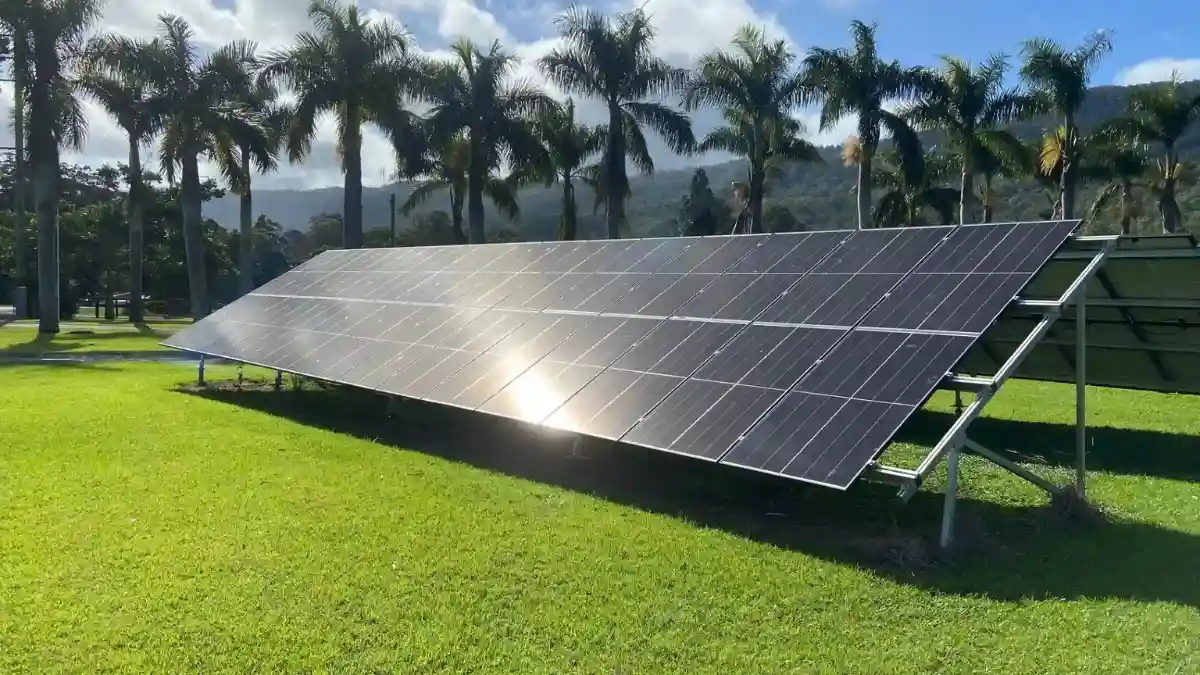
Why Fiji is a Strategic Investment Destination
As global capital increasingly flows toward sustainable investments, Fiji's renewable energy sector has emerged as a particularly attractive destination for forward-thinking investors. With ambitious government targets, abundant natural resources, and favorable regulatory frameworks, the archipelago nation presents compelling opportunities across multiple renewable technologies.
This investment opportunity represents more than just financial returns—it's about participating in a nation's transformation toward energy independence while contributing to global climate goals and sustainable development in the Pacific region. Many of these projects also support eco-conscious tourism ventures that showcase sustainable practices to visitors.
Investment Climate
Fiji's renewable energy sector offers the rare combination of abundant resources, strong government support, and clear policy direction, creating ideal conditions for sustainable capital deployment.
Strategic National Priority: Energy Fiji 2030
Fiji's commitment to renewable energy transcends environmental considerations—it's a matter of economic necessity and national security. As an island nation historically dependent on imported fossil fuels, Fiji has been vulnerable to global oil price volatility and supply chain disruptions.
The government's "Energy Fiji 2030" masterplan aims to achieve 100% renewable electricity generation by the end of this decade, with intermediate targets of 85% by 2026. This policy framework provides investors with clear market visibility and the confidence that renewable projects align with long-term national priorities.
"The political consensus behind renewable energy in Fiji is remarkably strong," notes energy analyst Praveen Kumar. "Regardless of which party holds power, the commitment to transitioning away from fossil fuels remains unwavering, which dramatically reduces political risk for investors."
2030 Vision
100% renewable electricity generation by 2030, with 85% target by 2026 providing clear milestones.
Energy Security
Reducing dependence on imported fossil fuels while protecting against price volatility and supply disruptions.
Political Stability
Strong bipartisan consensus on renewable energy transition reduces political risk for investors.
Solar: The Immediate Investment Opportunity
Fiji enjoys approximately 280 sunny days annually, making solar power an obvious fit for the country's energy needs. Large-scale solar installations have already proven successful, with the 20MW Rakiraki Solar Farm demonstrating the viability of utility-scale projects.
Investment opportunities in the solar sector span various scales and models, from utility-scale development to commercial and industrial solutions, plus rural electrification projects that offer both impact investment opportunities and government subsidy eligibility. These initiatives often benefit remote communities and support local cultural experiences by providing reliable electricity to traditional villages.
The recent introduction of net metering policies has further improved project economics, allowing excess generation to be fed back into the grid at favorable rates, creating additional revenue streams for investors.

Hydropower: Expanding Proven Success
Hydropower currently provides approximately 55% of Fiji's electricity generation, with the Monasavu Hydro Scheme being the flagship facility. While the largest hydro resources have been developed, significant potential remains in small and medium-scale run-of-river projects, particularly in highland areas near protected forest reserves.
The Fiji Development Bank has established a dedicated financing facility for hydro projects below 10MW, offering concessional terms for qualified developers. Additionally, several existing small hydro facilities built in the 1980s and 1990s are prime candidates for refurbishment and capacity expansion, presenting lower-risk investment opportunities with predictable returns.

Biomass: Agricultural Synergies and Waste-to-Energy
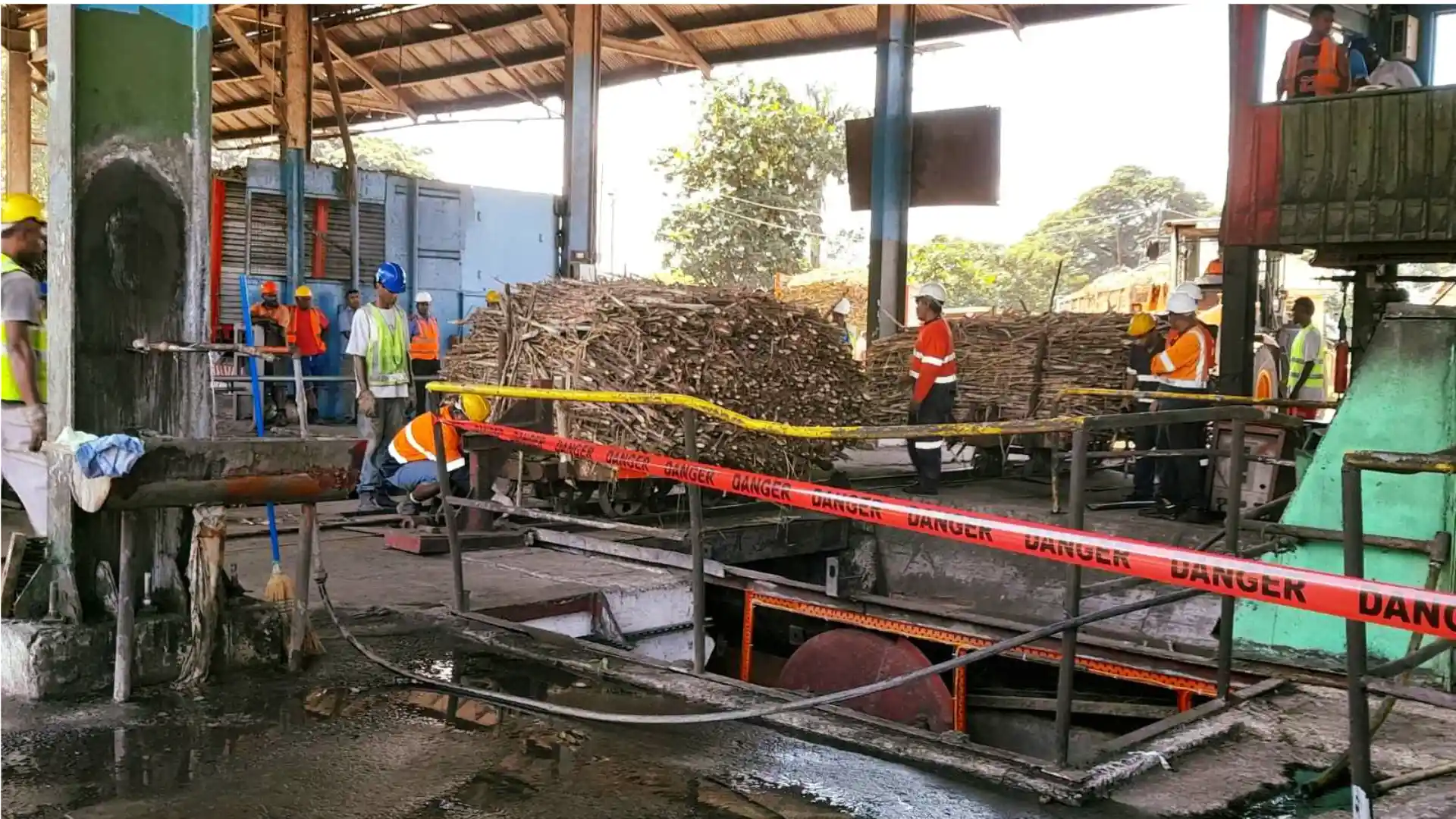
Fiji's agricultural sector produces significant biomass waste that remains largely unutilized for energy generation. The sugar industry, in particular, produces bagasse (sugarcane residue) that holds tremendous potential for modern, efficient cogeneration facilities. This agricultural heritage can be explored through educational farm tours that showcase sustainable energy innovations.
The Fiji Sugar Corporation is actively seeking investment partners to modernize its mills with high-efficiency bagasse cogeneration technology. These projects offer attractive economics through multiple revenue streams: electricity sales to the grid, process heat for industrial use, and potential carbon credit generation.
Beyond sugarcane, opportunities exist in utilizing coconut husks, wood waste from sustainable forestry operations, and dedicated energy crops grown on degraded land unsuitable for food production.
Wind Energy Frontier
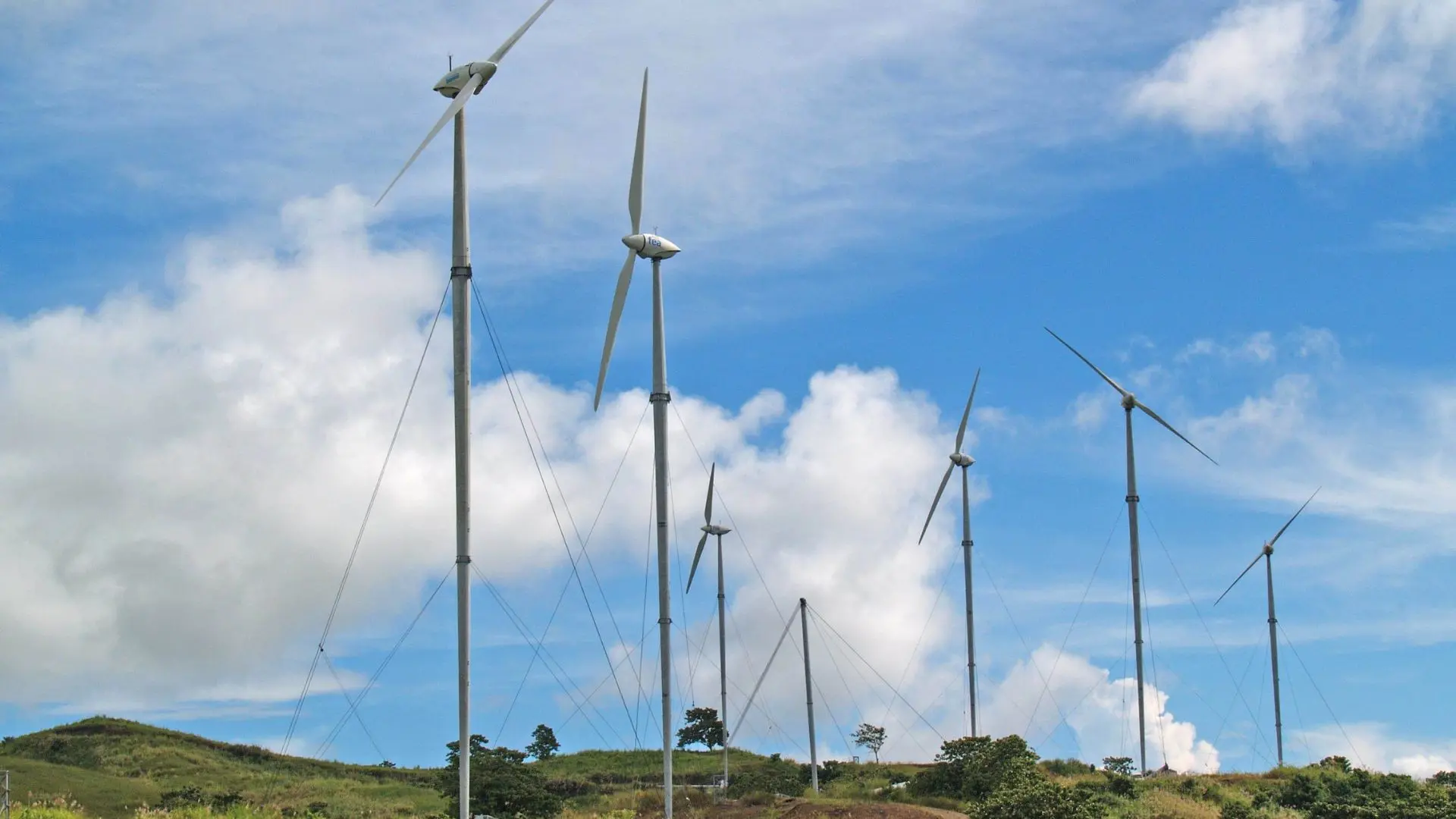
The Butoni Wind Farm demonstrates viability while EFL conducts resource mapping across multiple islands for future development.
Energy Storage Critical
Battery systems, pumped hydro, and innovative storage solutions essential for grid stability as renewables expand.
Energy Storage: The Critical Grid Enabler
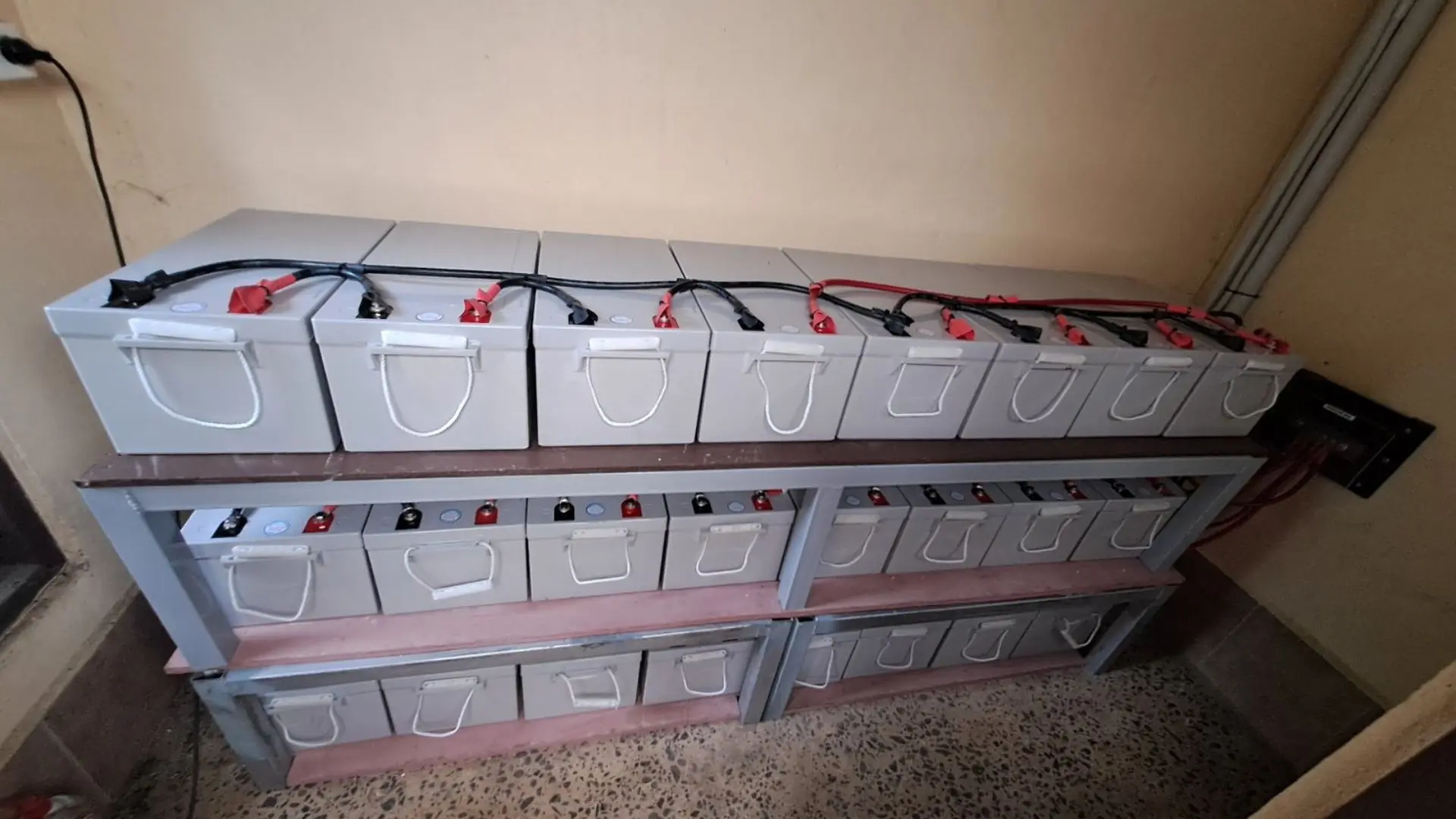
As variable renewable sources increase their grid penetration, energy storage becomes essential for system stability. The government's energy strategy explicitly prioritizes storage solutions, creating specific investment opportunities across multiple technologies.
Battery storage systems qualify for accelerated depreciation and import duty exemptions, while pumped hydro storage facilities could utilize excess daytime solar generation. Fiji's island geography also makes it an ideal testbed for emerging storage technologies like gravity-based systems, compressed air, and hydrogen.
Regulatory Framework and Investment Incentives
Fiji has established a transparent and investor-friendly regulatory environment for renewable energy. The Fiji Commerce Commission provides independent regulation of power purchase agreements, ensuring fair terms for both developers and the utility.
Financial incentives create compelling investment economics, while international climate finance through institutions like the Green Climate Fund and Asian Development Bank provide risk mitigation instruments and co-financing opportunities that enhance project returns.
Investment Incentives
- Tax Holiday: 20-year tax holiday for renewable energy projects above $2 million FJD
- Duty-Free Imports: Equipment and components exempt from import duties
- Accelerated Depreciation: Fast-track depreciation allowances for qualifying infrastructure
- Concessional Land Leases: Favorable terms for projects in designated renewable energy zones
Entry Strategies for International Investors
Foreign investors can participate in Fiji's renewable energy sector through multiple channels, from direct project development with 100% foreign ownership permitted, to joint ventures with local firms that can accelerate permitting processes and provide valuable operational knowledge.
Beyond project development, opportunities exist throughout the supply chain in equipment provision, specialized services like resource assessment and engineering, and acquisition of existing operational assets from pioneer-stage renewable companies. Investors often combine these ventures with sustainable accommodation projects to create integrated eco-tourism and energy developments.
Beyond Financial Returns: Impact Investment
While the financial case for renewable energy investment in Fiji is compelling, the broader impact narrative enhances the opportunity for ESG-focused investors. Projects deliver clear climate benefits, enhance energy security, create skilled employment, and often provide electricity access to underserved communities that can benefit from community development initiatives.
"Renewable energy investments in Fiji offer that rare combination of solid returns, manageable risk, and meaningful impact," explains John Halapua, CEO of the Fiji Investment Corporation. "Investors aren't just placing capital—they're helping build a sustainable energy foundation for our nation's future."
For investors seeking exposure to the renewable energy sector in emerging markets, Fiji offers a uniquely attractive proposition: robust resources, clear policy direction, and the chance to play a meaningful role in an island nation's sustainable development journey. Many projects integrate with sustainable tourism practices to create comprehensive green development models.
Key Investment Indicators for 2025
Market Opportunity Metrics
- Investment Need by 2030: $920 million across all renewable technologies
- Power Purchase Agreement Rates: $0.17-0.23 USD/kWh average range
- Typical Equity IRR Range: 15-22% depending on project scale and technology
- Minimum Scale for Tax Benefits: $2 million FJD (~$900,000 USD)
- Current Renewable Generation: 67% of total national electricity supply
Sustainable Capital in Paradise
Renewable energy investment in Fiji represents the convergence of strong financial fundamentals, supportive policy frameworks, and meaningful environmental and social impact. For forward-thinking investors, it's an opportunity to participate in building the sustainable energy future of a Pacific paradise while generating compelling returns. These investments often complement conservation projects that protect Fiji's natural coastal ecosystems.