Colo-i-Suva Forest Park: Trails, Pools and Visitor Guide
Colo-i-Suva Forest Park is a reforested nature park about 30 minutes from Suva. Its forest paths lead towards upper and lower freshwater pools, but this is not a polished resort attraction. Expect humid weather, uneven ground, steps, roots and surfaces that may become muddy or slippery after rain.
Fiji Government reported that the park reopened on 1 April 2026. The Ministry of Forestry later announced a temporary weather-related closure, until further notice, on 19 May 2026 because of slippery tracks, falling branches, flash-flooding risk and other unsafe conditions. A later official reopening notice was not found during this review, so confirm the park's current status before travelling. When open, the Ministry's published visitor hours are 8:00 AM to 4:30 PM daily, including weekends and public holidays.
Forest Walks · Upper and Lower Pools · Half-Day Trip from Suva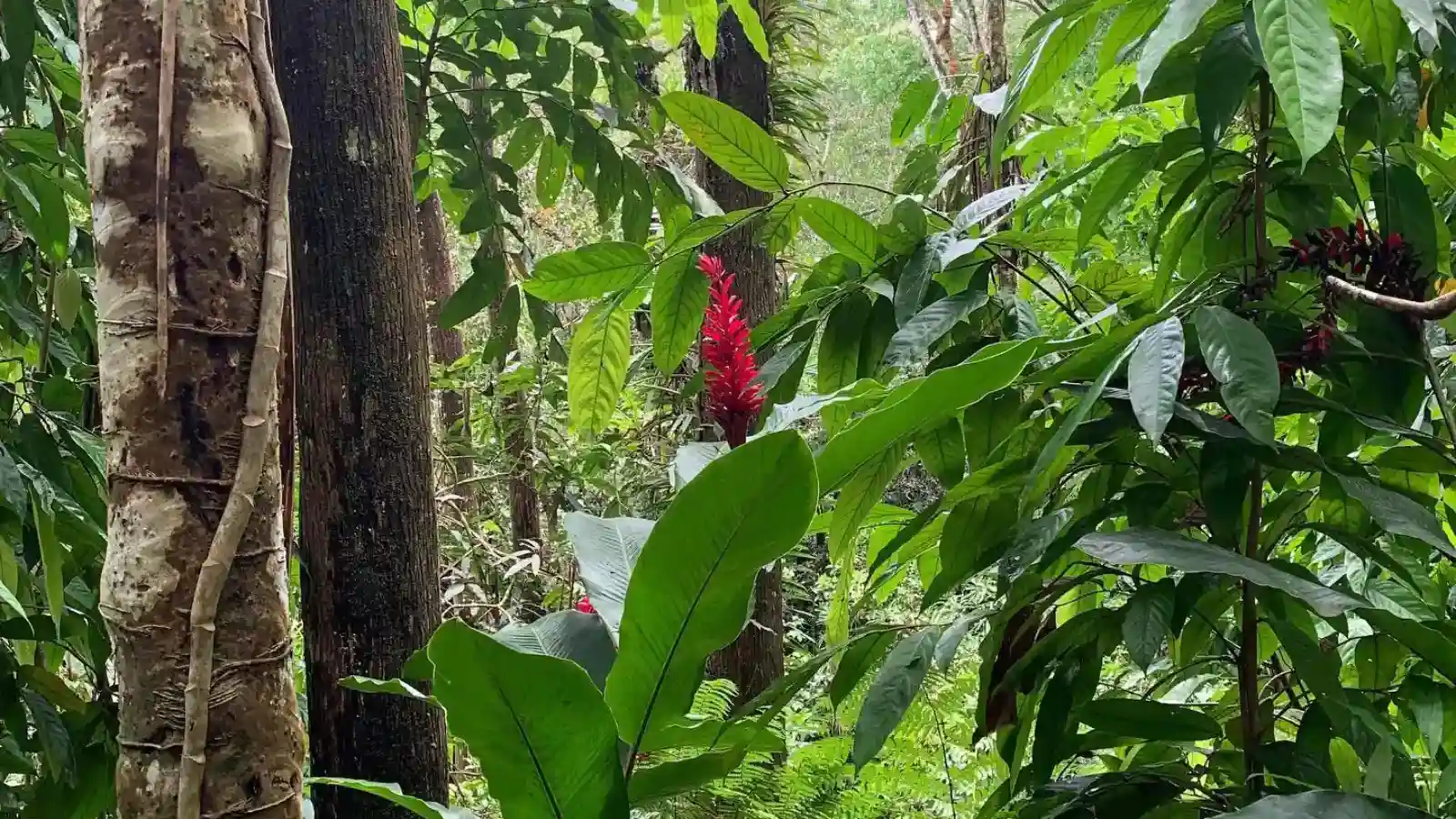
Colo-i-Suva quick facts
- Location:
- Naitasiri Province, about 30 minutes from Suva
- Published hours when open:
- 8:00 AM to 4:30 PM daily, including weekends and public holidays
- Allow:
- About 2 to 4 hours for a practical half-day visit
- Main experience:
- Forest walking, nature observation and pools when conditions permit
- Entry cost:
- Confirm the current charge and payment method before travelling
- Before leaving:
- Confirm the current park status and check the forecast, especially after heavy rain
The visit duration is a FijiEco planning estimate, not an official park time. The hours shown are the Ministry's published visitor hours when the park is open. Always confirm current operational status before travelling.
What Colo-i-Suva Forest Park actually is
Colo-i-Suva should not be described as untouched old-growth rainforest. The Ministry of Forestry describes it as an example of a degraded site that was reforested while retaining important biodiversity and natural beauty. The visitor landscape includes large-leaf mahogany planted in the area, with native and endemic plants subsequently established among the forest.
The wider Colo-i-Suva Forest Reserve was established in 1953. The 92-hectare forest park was established within it in 1963 and represents about 25 percent of the reserve. Ministry of Forestry reports have recorded about 30 bird species in the park, including 17 endemic species. Wildlife sightings are never guaranteed, so treat birdwatching as a patient forest activity rather than a checklist of promised species.
This history makes the park useful for more than a swim. It shows how a forest used for planting can also be managed for conservation, environmental education and low-impact recreation.
Trails and pools: what to expect
The official park description refers to forest trails and upper and lower pools, but it does not publish dependable route names, exact distances or fixed walking times. Conditions can change after storms, fallen trees or maintenance. Ask at the entrance which paths and pool areas are open before choosing a route.
| Visit style | Planning time | Realistic plan |
|---|---|---|
| Short forest visit | About 1.5 to 2 hours | Confirm the easiest open path, walk at an unhurried pace and return without relying on a swim. |
| Half-day visit | About 3 to 4 hours | Explore a longer open section, stop for nature observation and use a pool only if staff and conditions allow it. |
| Birding or photography | About 3 to 4 hours | Arrive near opening, move quietly and allow extra time rather than trying to cover every path. |
Do not rely on an old online trail list
Names such as “Lower Falls Trail”, “Upper Pool Circuit” or “Ridge Trail”, along with exact kilometre figures and colour-coded markers, are repeated across travel pages without a current official park map to support them. Use the route information provided by staff on the day of your visit.
Even a short route may include wet steps, roots, loose ground and steep sections. Wear shoes with reliable grip and leave more time than you would for a paved urban walk. Turn back if a path is closed, water is rising or your group is uncomfortable with the terrain.
Can you swim at Colo-i-Suva?
Upper and lower pools are part of the park experience, but swimming should be treated as conditional, not guaranteed. Water level, current, visibility and access may change quickly after rain. Ask staff whether swimming is permitted that day and which area is suitable.
- Do not enter fast-moving, discoloured or rising water.
- Do not dive or jump from rocks. Depth and submerged obstacles can change.
- Do not assume lifeguard supervision. Keep children within direct reach around water.
- Wear footwear with grip around wet rock and pool edges.
- Cover cuts and grazes with waterproof dressings and avoid swallowing untreated freshwater.
- Leave the water immediately if staff, signs or changing conditions indicate a closure.
Fiji health advisory and freshwater risk
In February 2026, Fiji's Ministry of Health and Medical Services reported three teenagers with suspected severe leptospirosis who all had a recent history of swimming at Colo-i-Suva. One patient died, and the Ministry said its outbreak response team was investigating. The advisory did not establish the park's water as the confirmed source of infection, so the swimming history should not be presented as proof of causation. Check current health and park notices before entering freshwater, especially after heavy rain.
The US Centers for Disease Control and Prevention notes that leptospirosis risk can increase after heavy rain or flooding and advises avoiding swimming or wading in water that may be contaminated. It also recommends covering cuts with waterproof bandages and wearing protective footwear.
Getting there from Suva
The Ministry of Forestry places the park about 30 minutes from Suva. Actual travel time depends on your starting point, traffic and weather.
Taxi or private driver
For most visitors, a taxi or prearranged driver is the simplest option. Agree on the fare before departure and arrange the return journey in advance rather than assuming a vehicle will be waiting at the park. Give yourself enough time to be back at the entrance before closing.
Public transport
Routes, stops and timetables can change, and the final walk to an entrance may not suit every traveller. Check the current route locally before departure and confirm how you will return. Start with the FijiEco Suva local transport guide, then verify the same-day details with your accommodation or a local transport operator.
Do not publish a fixed taxi fare or bus price unless it has been checked immediately before updating the page. Prices vary and old figures can mislead travellers.
Weather and the best time of day
An arrival near the 8:00 AM opening gives you more daylight and more time to adjust your plan. It also reduces the risk of starting a longer walk too close to closing time. There is no need to promise a perfectly dry season: rain can affect the Suva area throughout the year.
Check the Fiji Meteorological Service before leaving and read the FijiEco Suva weather guide for seasonal context. If heavy rain, flooding or severe weather is forecast, postpone the visit rather than planning around a swim.
Entry cost and facilities
The official sources checked for this update do not publish a dependable current entrance fee, card policy, locker price or complete facilities list. For that reason, this guide does not repeat the FJ$5 fee, FJ$2 locker charge or contactless-payment claims found on older travel pages.
Confirm the current charge and payment method before travelling. Carry some Fiji dollars in small denominations, bring only the valuables you need and do not depend on lockers, changing rooms, food sales or drinking-water refills unless the park confirms they are available.
What to bring
- Closed shoes or hiking sandals with reliable wet-surface grip
- A light rain layer and a dry bag or waterproof pouch
- Enough drinking water and a snack for your planned visit
- Insect repellent and any personal medication
- Swimwear, towel and a change of clothes if swimming is permitted
- A small amount of cash, while still confirming the current payment method
- Binoculars for patient wildlife observation
Mosquito exposure varies with weather and location. Review FijiEco's practical advice on how to protect yourself from mosquitoes in Suva.
Accessibility, children and fitness
Do not treat Colo-i-Suva as a reliably step-free attraction. Natural paths, steps, roots, gradients and wet surfaces may make the park unsuitable for wheelchairs, strollers or travellers with limited balance or mobility. Current trail repairs can also change what is reachable.
Families should judge the visit by each child's walking ability and water confidence, not by a blanket “family-friendly” label. Adults should keep children close on trails and within direct reach beside pools. If accessibility is important, confirm current conditions with park staff before making the trip.
Visit responsibly
- Stay on open paths and obey closures, barriers and staff directions.
- Take all rubbish out with you.
- Do not collect plants, disturb wildlife or feed animals.
- Keep voices and music low so other visitors can enjoy the forest.
- Avoid soaps, shampoos and other products in natural pools.
- Respect local visitors and ask permission before photographing people.
For wider guidance outside resorts and in local communities, read the FijiEco guide to Fijian culture and etiquette.
A realistic half-day plan
- Arrive near 8:00 AM. Confirm closing time, open paths, pool conditions, fees and the latest safe-return time.
- Walk before committing to a swim. Choose a route that matches the slowest person in your group and turn back early if surfaces are difficult.
- Use a pool only if conditions permit. Keep the stop short enough to return without rushing.
- Leave with a transport margin. Meet your driver or start the return journey well before closing.
If weather makes a forest visit unsuitable, consider the more central Thurston Gardens visitor guide. If you are comparing several freshwater places rather than planning this specific park, use the separate guide to natural waterfalls and swimming near Suva.
Frequently asked questions
Is Colo-i-Suva Forest Park open?
Fiji Government reported that the park reopened on 1 April 2026. The Ministry of Forestry then announced another temporary weather-related closure on 19 May 2026, until further notice. A later official reopening notice was not found during this review. Confirm the current status before travelling. When the park is open, the Ministry's published visitor hours are 8:00 AM to 4:30 PM daily, including weekends and public holidays.
Can visitors swim in the pools?
The park has upper and lower pools, but swimming depends on current access, health advice and water conditions. Check current notices, ask staff on arrival, avoid water after heavy rain and never dive or jump from rocks.
How much is the entrance fee?
A dependable current fee is not published in the official sources used for this update. Confirm the amount and payment method before departure and carry some cash in small denominations.
How long should I allow?
Allow about 2 to 4 hours for a useful half-day visit, plus travel time from Suva. This is a planning estimate. Your actual time will depend on the open paths, trail conditions, fitness and whether swimming is permitted.
Is the park suitable for children?
It can suit children who are comfortable on uneven, potentially slippery forest paths, but it is not appropriate to promise an easy route for every family. Keep children close on trails and within direct reach around pools.
Is the park wheelchair or stroller accessible?
Do not assume step-free access. Natural terrain, gradients, roots, steps and wet surfaces may prevent access. Confirm the latest conditions directly if anyone in your group has mobility requirements.
What wildlife can I see?
Ministry of Forestry reporting has recorded about 30 bird species in the park, including 17 endemic species, but sightings vary. Arrive near opening, move quietly and bring binoculars. This guide intentionally does not promise individual species at a particular trail.
What is the easiest way to get there?
A prearranged taxi or driver is the simplest option for most short-term visitors. Agree on the fare and return pickup before leaving Suva. If using public transport, verify the current route, final stop and return plan locally.
Sources and fact-checking
Operational details and safety advice were checked against the following sources on 21 September 2026:
- Fiji Ministry of Forestry: official Colo-i-Suva Forest Park information
- Fiji Government: Colo-i-Suva Forest Park officially reopened
- Fiji Government and Ministry of Forestry: temporary weather-related closure notice
- Fiji Ministry of Forestry Annual Report 2021-2022: park and birdlife data
- New Zealand Journal of Zoology: park history and forest composition
- Fiji Ministry of Health and Medical Services: February 2026 leptospirosis public advisory
- US CDC: leptospirosis exposure and freshwater precautions
- Fiji Meteorological Service: forecasts and warnings
Editorial note: FijiEco separates official facts from practical planning estimates. Prices, route names, exact trail lengths, pool depths and facilities were omitted when no dependable current primary source was available. If you have recent verifiable information about opening conditions or visitor access, email [email protected].