Birdwatching at Waisali Rainforest Reserve — Encounter Endemic Species in Native Forest
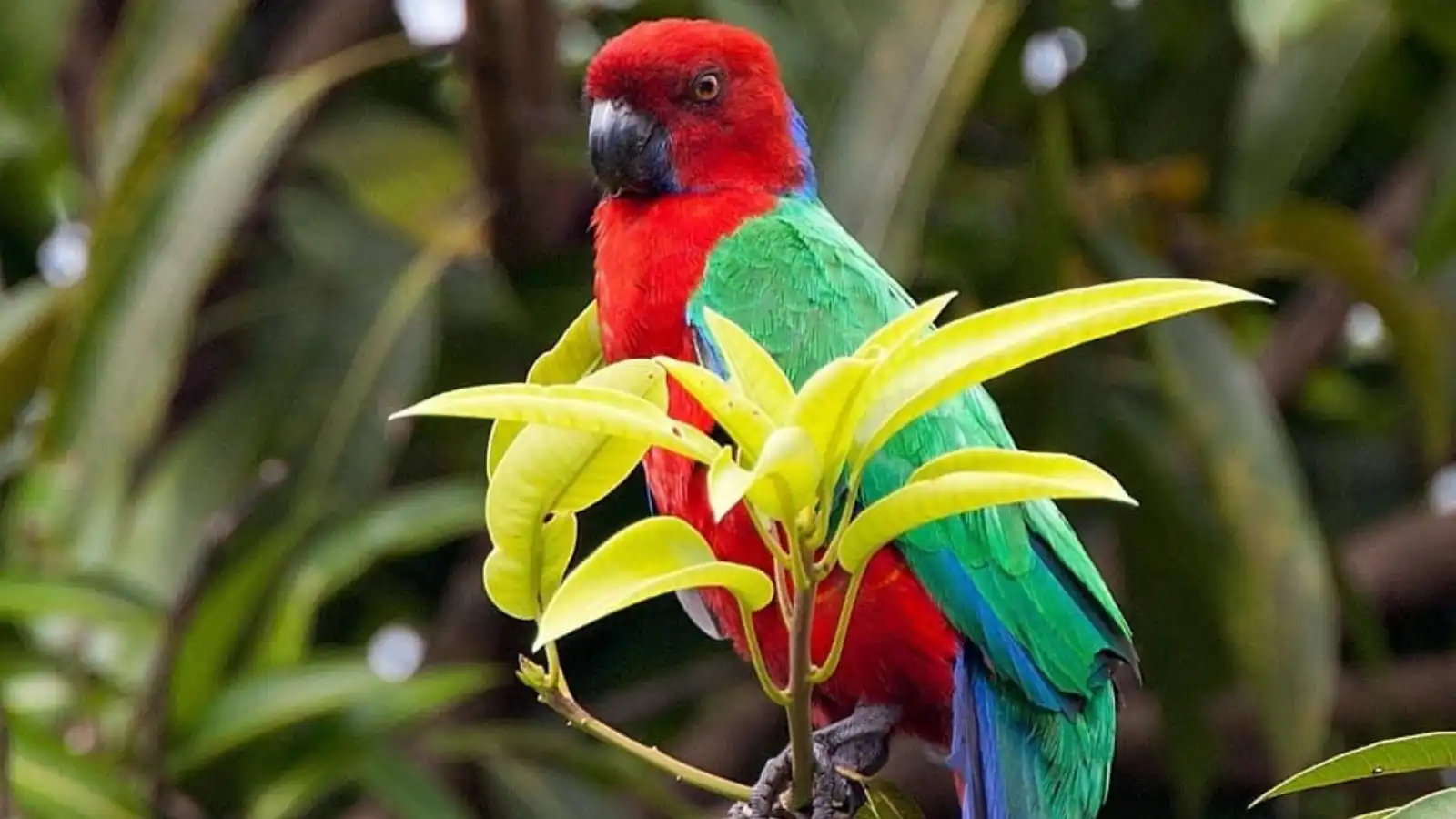
A scarlet parrot emerges from dense canopy. Its call cuts through morning humidity—a sound unchanged for centuries. Waisali Rainforest Reserve protects one of Fiji's last intact native forests, and the birds living here are found nowhere else on Earth. You won't see them in resorts or coastal areas. Waisali is where real Fijian birdlife exists—endemic species evolved in isolation, perfectly adapted to specific forest layers. Birdwatching here isn't casual observation. It requires patience, local knowledge, and genuine interest in understanding how species survive in vanishing habitat. When you watch a Fijian parrot navigate through leaves, you're witnessing evolutionary history and understanding why this forest must be protected.
Why Waisali Matters for Fiji's Birds
Fiji's native forests have been reduced to fragments. Logging, agriculture, invasive species, and development destroyed most lowland rainforest. Waisali Rainforest Reserve represents one of the largest remaining protected areas of native forest, particularly important because it preserves specific bird species found nowhere else. These aren't rare migrants passing through—they're endemic species: Fijian parrot, Pacific koel, Fiji white-eye, various honeyeaters. Evolution happened in isolation here. These species depend entirely on this specific habitat. When forests disappear, these birds disappear permanently. There's no backup population elsewhere on Earth.
Conservation of Waisali directly protects these species from extinction. Bird researchers prioritize the reserve for this reason. Local communities manage the forest through traditional practices and modern conservation efforts. Tourism revenue from birdwatchers provides economic incentive for continued protection. When you pay for guided walks, entrance fees, and local services, you're directly funding forest preservation and giving communities economic reasons to prioritize conservation over logging or agricultural conversion.
Birdwatching also provides crucial monitoring. Guides and enthusiasts track species populations, document behavior, observe changes over time. This data informs conservation decisions. Your observation—if shared thoughtfully with local guides or researchers—contributes to understanding how these species are faring in changing climate conditions. Tourist interest validates that these birds have value beyond their local significance—global audiences care about Fijian species survival.
Birds You Might Encounter
Endemic Species (Found Only in Fiji)
The Fijian parrot is the most striking endemic species—scarlet plumage, distinctive call, unmistakable once you hear it. Sightings are not guaranteed but reasonably possible on early morning walks. Pacific koel, a cuckoo species, has a distinctive two-note call that guides learn to recognize immediately. Fiji white-eye, a small nectar-feeding bird, moves through middle canopy in small flocks. Various honeyeaters—including species like the golden bell-bird—inhabit specific forest layers. Each species has preferred elevation, food sources, and behaviors. Understanding where to look and when increases sighting chances significantly.
Regional Species
Beyond endemic species, you might see regional birds present across multiple Pacific islands but still requiring intact forest habitat. These include various kingfishers, doves, fruit-doves, and warblers. The diversity is remarkable—Waisali supports over 50 bird species. Some are common and easily seen. Others are shy or occupy specific microhabitats requiring patience and luck. Even experienced birdwatchers don't see everything on a single visit.
Introduced Species
The reserve also contains introduced birds that arrived either accidentally or through human transport. These species sometimes compete with natives for food and nesting sites, creating conservation challenges. Understanding the difference between native and invasive species helps you appreciate conservation complexity—it's not simply about "protecting nature" but actively managing what species belong in specific ecosystems.
Planning a Birdwatching Visit
Best Time to Visit
Early morning (6-9am) offers best birdwatching opportunities. Birds are most vocal and active during early hours, before heat builds. Light is optimal for observation and photography. Afternoon visits produce fewer sightings. Seasonally, dry season (May-October) typically offers better conditions than wet season, though birds remain active year-round. Specific species have breeding seasons affecting visibility and behavior. Local guides know current conditions and species activity patterns—consulting them improves your experience substantially. Check the best season to visit Savusavu for detailed weather information.
Guided vs. Independent Walks
Guided walks are strongly recommended. Local guides know bird calls, behavior patterns, specific trees where species feed, seasonal variations. They can identify birds by sound alone—crucial since many species are heard before seen in dense forest. Guides know safe trails, water availability, weather risks. They understand bird ecology and conservation challenges. Independent walks are permitted but significantly less rewarding unless you're an experienced birder. Most visitors benefit dramatically from professional guidance.
What to Bring
Binoculars are essential—a decent pair transforms the experience from hearing birds to actually seeing them. Field guides specific to Fiji birds help with identification. A notebook for recording sightings, times, behaviors creates valuable documentation. Water—more than you think necessary—is critical. Forest walks are humid and physically demanding. Wear neutral-colored clothing; bright colors can startle birds. Sturdy hiking boots protect feet on uneven terrain. Rain gear is essential even in dry season. Insect repellent helps with mosquitoes and other pests. Camera equipment is optional—enjoy the experience rather than focusing solely on photographs. For a comprehensive list, see our Savusavu packing guide.
How to Access Waisali
Organized Tours
Tour operators in Savusavu arrange guided birdwatching tours to Waisali. These typically include transportation, professional guide, necessary equipment. Duration varies from 4-8 hours. Booking through your accommodation or tourism office ensures reputable operators and fair compensation for guides.
Independent Visit
Self-driving or taxi access to Waisali is possible. Entry fees support reserve management. Local guides are available for hire at the reserve entrance. Bringing your own guide ensures personalized attention and builds direct economic support for local communities.
Tourism Office
Savusavu's tourism office provides information about current access conditions, recommended guides, entrance procedures. They can advise seasonal considerations and recent sightings from other visitors.
Birdwatching Etiquette & Best Practices
Responsible Birdwatching
- Stay on established trails: Off-trail walking damages understory vegetation and disturbs nesting sites. Follow guide directions strictly.
- Minimize noise: Loud talking or sudden sounds startle birds. Speak quietly and move deliberately. Allow silence for listening to bird calls.
- Respect distance: Don't approach nesting sites or actively feeding birds. Excessive pursuit causes stress and abandonment of nests. Observe from distance guides recommend.
- Photography ethics: Don't use flash photography—it startles birds and damages vision. Never use playback of bird calls to lure birds into view; this exhausts them defending territory.
- Avoid interference: Don't touch birds, nests, eggs, or young. Let natural processes continue. Your intervention, even well-intentioned, often harms.
- Report sightings: Share observations with guides and reserve management. Data about species locations and behavior improves conservation understanding.
- Respect weather limits: Heavy rain makes trails dangerous and birds inactive. Accept cancellations or rescheduling without complaint.
Questions About Birdwatching at Waisali
Will I definitely see rare birds?
No. Sightings depend on season, weather, luck, and your patience. Even experienced birders don't see every species on every visit. Endemic species like Fijian parrot are possible but not guaranteed. You're very likely to see some birds and hear many more. The experience values what you encounter rather than guaranteeing specific sightings.
How physically demanding is the walk?
Trails vary in difficulty. Some are relatively easy; others require climbing over roots, navigating steep sections, moving through dense vegetation. Humidity makes exertion more noticeable than elevation gain. Fitness requirements depend on specific trail and guide pace. Ask guides about difficulty levels before committing. Pace can be adjusted for different fitness levels.
Do I need to be an experienced birder?
No. Beginners are welcomed. Guides handle identification and explanation. You learn bird calls, behavior, ecology during the walk. Experienced birders appreciate advanced knowledge; beginners appreciate basic introduction. Come with curiosity rather than expertise. Guides adjust explanations to audience experience level.
What about insects and safety hazards?
Rainforests have insects. Insect repellent helps. Wear long sleeves and pants for protection. Trails are maintained but uneven. Sturdy shoes prevent ankle injuries. Guides are trained in forest hazards and first aid. Serious injuries are rare with proper precautions. Medical care availability in Savusavu means emergencies can be addressed.
How does tourism funding support conservation?
Entry fees and guide payments directly fund reserve management, trail maintenance, anti-poaching efforts, research. Tourism revenue provides economic incentive for communities to protect forest rather than convert it to agriculture or logging. Guide employment creates livelihoods dependent on forest preservation. This creates economic models where bird conservation and community livelihood align.
Can I contribute beyond paying for the tour?
Yes. Support organizations working on Fijian bird conservation. Learn species names and ecology so you can share authentic knowledge when you return home. Advocate for environmental policies protecting Pacific island forests. Document sightings thoughtfully and share with researchers. Choose operators and guides who prioritize conservation over maximizing visitor numbers. These actions extend your impact beyond the single day visit.
Beyond the Visit
Birdwatching at Waisali shouldn't end when you leave the forest. The real value comes from understanding what you experienced and taking that knowledge forward. Research the species you saw. Learn about threats facing Fijian birds—habitat loss, climate change, invasive species, disease. Understand why endemic species are vulnerable. This knowledge helps you appreciate why protected areas like Waisali are critical globally.
Consider the broader conservation context. Every island nation faces similar pressures to convert natural habitat to economic development. Fiji is not unique; it's simply more visible because it's an island completely surrounded by ocean that shows damage clearly. When you return home, recognize similar conservation challenges in your own region. Endemic and locally important species need protection everywhere. The lessons from Waisali apply universally.
Birdwatching at Waisali Rainforest Reserve isn't tourism entertainment. It's encountering biodiversity found nowhere else on Earth—species whose survival depends entirely on this forest. When you walk quietly through dense canopy, listening for calls only locals know, you're participating in the most important reason this forest is protected: its intrinsic value as living system housing species that cannot exist elsewhere.
You'll likely be awed by complexity, beauty, interconnection. You'll also understand fragility—how quickly all this could disappear if protection failed. That understanding, carried forward and translated into action in your own community, matters more than any bird sighting. After your birdwatching experience, continue exploring Savusavu's natural wonders by hiking other trails at Waisali Reserve, or learn about traditional plant medicine used by the same communities who protect these forests. Consider supporting conservation efforts by participating in a coastal cleanup, and stay at eco-conscious accommodations that actively support rainforest preservation. The birds survived here for millennia. Whether they continue depends on humans recognizing their value and choosing protection over exploitation.
Last updated: January 2026 • Bird sightings vary by season and weather • Book with established tour operators or hire local guides • Entry fees directly support reserve protection • Responsible observation ensures continued bird survival