Fiji Mangrove Tours: Suva Kayak Routes, Wildlife & Conservation Guide (2025)

By FijiEco Team | Published: February 28, 2025 | Updated: December 10, 2025

Fiji’s mangrove forests are some of the country’s most underrated ecosystems — especially around Suva, the Rewa Delta, and Pacific Harbour. A mangrove tour in Fiji isn’t a typical sightseeing activity; it’s an ecological experience that reveals how coastal wildlife, reef fish, and local communities depend on these tidal forests. Whether you join a walking tour or a kayak tour through narrow Suva mangrove channels, you’ll see fish nurseries, mudskippers, crabs, and the natural defenses that protect Fiji’s coastline from storms. Tours typically cost FJ$50–150 and offer rare insight into how mangroves connect Fiji’s rivers, reefs, and villages.

Coastal Ecosystems, Carbon Storage & Community Conservation
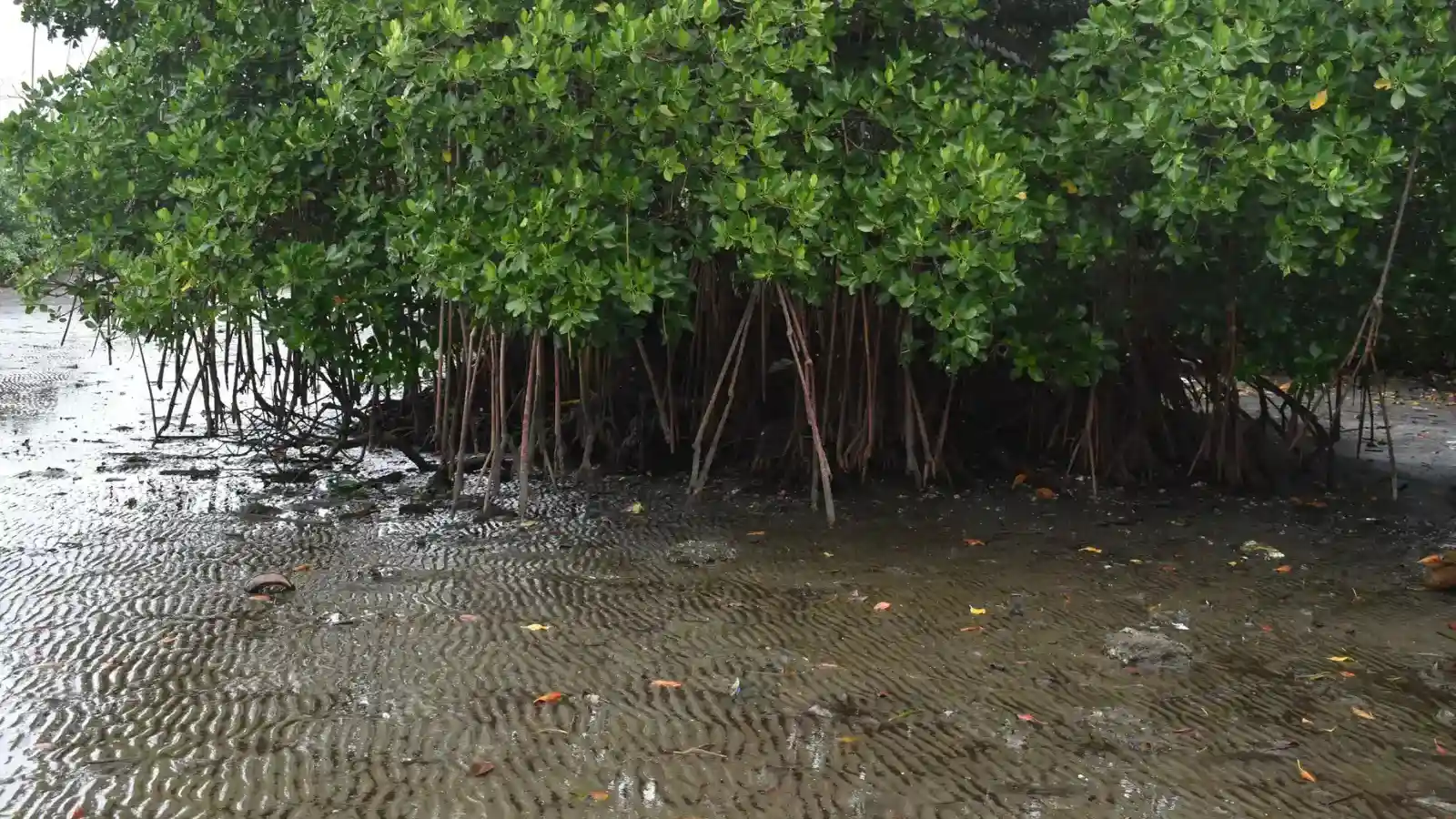
Tangled mangrove root system in tidal waters near Suva Fiji showing aerial prop roots and clear water
The tangled root systems of Fiji's mangroves create nursery habitat for fish and crustaceans while stabilizing coastlines against erosion and storm surge.

Fiji Mangrove Tours Quick Facts (2025)

  • Location: Suva Harbor, Rewa Delta, Pacific Harbour, Coral Coast estuaries
  • Tour Prices: FJ$50–80 (walking tours), FJ$100–150 (kayak/boat tours)
  • Duration: 2–4 hours for most guided experiences
  • Best Time: Mid-tide (neither high nor low) for walking; any tide for kayaking
  • Wildlife: Mangrove crabs, mudskippers, juvenile fish, herons, kingfishers
  • Conservation Impact: Tour fees typically fund replanting and monitoring programs

Why Mangroves Matter More Than Coral Reefs

That's a deliberately provocative statement, but the science backs it up. Fiji's coral reefs get the tourism attention — the colorful fish, the dive photos, the resort marketing. Mangroves get ignored. Yet without healthy mangroves, the reefs collapse. Here's why:

Fish Nurseries

An estimated 75% of Fiji's commercially important fish species spend their juvenile stages in mangrove roots. The tangled underwater maze provides protection from predators that larger reef fish can't enter. Without mangroves, fish populations crash — on reefs and in markets.

Water Filtration

Sediment and pollutants from land runoff would smother coral reefs if they reached open water. Mangrove roots trap sediment, filter nutrients, and release cleaner water to coastal ecosystems. They're the kidneys of the coastline.

Carbon Storage

Mangroves store 3–5 times more carbon per hectare than terrestrial rainforests, locked in waterlogged soils that prevent decomposition. Destroying mangroves releases centuries of stored carbon. Protecting them is climate action.

Storm Protection

During Cyclone Winston (2016), villages behind intact mangroves suffered dramatically less damage than those where mangroves had been cleared. The root systems absorb wave energy; the forest breaks wind. Natural infrastructure that works.

Fiji has lost approximately 40% of its mangrove coverage since the 1960s — cleared for coastal development, aquaculture ponds, and agriculture. What remains is now protected by law and increasingly by community action. The tours that take you into these ecosystems fund conservation efforts and create economic incentives for protection over destruction.

The Mangrove Ecosystem: What You'll See

Mangroves aren't a single species but an ecosystem of trees adapted to saltwater and tidal flooding. Fiji has eight mangrove species, each occupying different zones based on salinity and inundation. The wildlife they support is specialized and fascinating — if you know where to look.

The Trees

Red Mangrove (Rhizophora)

The iconic mangrove with arching prop roots that create underwater mazes. Grows at the water's edge, roots submerged at high tide. The most photographed species — those tangled root shots are almost always Red Mangrove.

Black Mangrove (Bruguiera)

Found slightly inland, with distinctive "knee roots" that project above the mud to absorb oxygen. Bark traditionally used for tanning and dye-making in Fijian communities.

White Mangrove (Sonneratia)

Grows furthest from the water with pencil-like pneumatophores (breathing roots) radiating from the trunk. Produces fragrant flowers that attract bats and insects for pollination.

Guides will explain how these species zone themselves — Red closest to water, White furthest inland — creating distinct bands visible as you walk or paddle through the forest.

Wildlife to Watch For

Mudskippers

Fish that walk on land. These bizarre creatures use modified pectoral fins as legs, skipping across mud flats and climbing roots. They breathe through their skin when out of water. Watch for territorial males displaying with raised dorsal fins — genuinely entertaining.

Mangrove Crabs

Several species including the prized Mud Crab (Scylla serrata), harvested sustainably for local markets. Fiddler crabs with one oversized claw perform mating displays. Hermit crabs scuttle through debris. Look at the base of roots during low tide.

Birds

Mangrove Kingfisher (endemic), Pacific Reef Heron, striated herons, various sandpipers and plovers on mudflats. Early morning offers best birding before heat drives activity down. Bring binoculars — birds are skittish in the open mud zones. For more birdwatching opportunities, explore Fiji's highland forests where you'll find rare endemic species in misty mountain environments.

Juvenile Fish

Schools of juvenile snapper, grouper, mullet, and other species shelter in root tangles. Best seen during rising or falling tide when water clarity is higher. Some tours use underwater viewing scopes to observe fish without entering the water.

Where to Experience Mangroves Near Suva

Fiji's main island (Viti Levu) has extensive mangrove systems, several accessible from Suva. The quality of experience depends heavily on choosing the right location and tour operator:

Rewa River Delta

The largest mangrove system near Suva, where Fiji's longest river meets the sea. Extensive forest, good wildlife, and boat-based tours that penetrate deep into the ecosystem. The delta supports significant fish populations and traditional fishing communities.

Distance: 25 km from Suva
Access: Boat tours from Nausori
Tour Type: Boat, kayak
Best For: Extensive exploration, birding

Suva Harbor Mangroves

Urban mangroves on Suva's doorstep — patches that have survived development and are now protected. Less pristine than rural areas but accessible without significant travel. After your mangrove walk, continue along the Suva Seawall for coastal views. Community groups run educational walks focused on conservation and restoration.

Distance: Within Suva city
Access: Walking from harbor area
Tour Type: Walking, educational
Best For: Limited time, education focus

Pacific Harbour / Beqa Lagoon

Mangroves fringing the famous Beqa Lagoon, where the connection between mangrove nurseries and reef populations is particularly clear. Several eco-lodges run kayak tours through mangrove channels that open onto reef flats. Good combination with Beqa Lagoon diving to see the full lifecycle from juvenile fish in roots to adults on reefs.

Distance: 50 km from Suva
Access: Kayak from resorts
Tour Type: Kayak, combination reef trips
Best For: Active travelers, reef connection

Coral Coast Estuaries

Small mangrove patches at river mouths along the Coral Coast. Less extensive than delta systems but easily combined with resort stays. Some Coral Coast hotels arrange mangrove walks as part of eco-tourism programs. Quality varies by operator. Combine your visit with Sigatoka River Safari to experience both mangrove ecosystems and traditional Fijian village culture upriver.

Distance: 60–100 km from Suva
Access: Via Coral Coast resorts
Tour Type: Walking, resort-based
Best For: Resort guests, convenience

Tour Options & Prices (2025)

Mangrove experiences range from free self-guided walks (limited) to comprehensive eco-tours with expert guides. The investment in a guided tour is worthwhile — mangroves don't reveal themselves easily to untrained eyes.

Walking Tours

FJ$50–80

  • Duration: 2–3 hours
  • Group Size: 4–12 people
  • Includes: Guide, basic equipment, education
  • Physical Level: Easy-moderate (muddy terrain)
  • Best For: Budget-conscious, educational focus

Kayak Tours

FJ$100–150

  • Duration: 3–4 hours
  • Group Size: 2–8 people
  • Includes: Kayak, paddle, guide, water, snacks
  • Physical Level: Moderate (paddling required)
  • Best For: Active travelers, photography

Recommended Experience

Boat Tours

FJ$120–180

  • Duration: 3–5 hours
  • Group Size: 4–10 people
  • Includes: Boat, captain, guide, lunch
  • Physical Level: Easy (sitting)
  • Best For: Families, less mobile travelers, deep penetration

Finding Operators

Tour operators change frequently and quality varies. Ask your accommodation for current recommendations — Suva hotels often work with reliable eco-tour operators. The University of the South Pacific (USP) occasionally runs educational mangrove trips. Community-based tourism organizations (check with Fiji Visitors Bureau) often offer the most authentic experiences with conservation impact. Avoid operators who promise "mangrove adventure" but deliver minimal actual content.

Cultural Connections: Traditional Uses

Fijian communities have used mangrove ecosystems for millennia. Good guides incorporate this traditional ecological knowledge, showing how indigenous practices often align with modern conservation science:

Traditional Fishing

Fish traps (vuvu) made from mangrove wood have been used for generations. These traps target adult fish while allowing juveniles to escape — sustainable harvest encoded in traditional design. Some tours demonstrate trap construction and placement, practices you can also observe at traditional fishing village experiences.

Medicinal Plants

Various mangrove species provide traditional medicines — bark extracts for treating wounds, leaves for skin conditions, roots for digestive issues. Guides may identify specific plants and explain (but not practice) traditional preparation methods.

Building Materials

Mangrove wood is naturally resistant to rot and marine borers, making it valuable for construction — fish trap frames, house posts, boat components. Sustainable harvesting (taking selected trees, leaving the system intact) was traditional practice before commercial clearing began.

Dyes and Tanning

Bark from certain mangrove species produces tannins used for preserving fishing nets and creating dyes for tapa cloth. This traditional chemistry represents sophisticated understanding of plant compounds.

Conservation & Your Impact

Mangrove tourism in Fiji isn't just about experience — it's about economics. When intact mangroves generate tourism income, communities have financial incentive to protect rather than clear them. Your tour fee directly affects conservation outcomes.

Where Your Money Goes

Replanting Programs: Many operators contribute to mangrove restoration, planting seedlings in degraded areas. Some tours include hands-on planting as part of the experience. Similar community-led conservation efforts can be found at Sigatoka's mangrove nurseries, where visitors actively participate in coastal ecosystem protection.

Community Income: Tours run by village cooperatives keep money local, providing alternatives to activities that damage mangroves (land clearing, overfishing).

Monitoring & Research: Data collected during tours (species counts, health observations) contributes to scientific understanding and management decisions.

Education: Guides trained through tour operations become conservation advocates in their communities, spreading awareness beyond the tourist economy.

Ask operators about their conservation contributions. Legitimate eco-tours can explain specifically where funds go — vague claims of "supporting conservation" without details are red flags. The best operators show you replanting sites, introduce you to community conservation leaders, and provide data on mangrove recovery.

Honest Assessment: What to Expect

Mangrove tours are not for everyone. The environment is challenging, the visual payoff is subtle, and the experience rewards curiosity more than casual interest. Here's the honest reality:

Reality Check

  • It's muddy: Walking tours involve mud — sometimes ankle-deep. Shoes will get dirty. Accept this or choose kayak/boat options.
  • Mosquitoes are present: Bring repellent and wear long sleeves. Early morning and late afternoon (best wildlife times) are also peak mosquito times.
  • Smell at low tide: Decomposing organic matter in mud flats has a distinctive odor. It's not unpleasant to everyone, but it's present. This is healthy ecosystem function, not pollution.
  • Wildlife requires patience: Animals are camouflaged and wary. You won't see much while rushing through. The best sightings come from standing still and waiting.
  • It's educational, not thrilling: If you want adrenaline, go elsewhere. Mangrove tours are about understanding, not excitement.

That said, for travelers interested in ecology, conservation, and understanding how ecosystems connect, mangrove tours offer something unique. The knowledge gained here transforms how you see every beach, reef, and fish market for the rest of your trip. You'll understand why the snapper on your plate depended on muddy roots you'd never otherwise notice.

Practical Information

What to Wear

  • Footwear: Old sneakers or water shoes (not flip-flops)
  • Clothing: Long lightweight pants, long-sleeved shirt
  • Colors: Neutral/earth tones for wildlife approach
  • Hat: Sun protection for open mudflat sections

What to Bring

  • Insect Repellent: DEET-based, applied before departure
  • Water: 1–2 liters (tours may provide but bring backup)
  • Binoculars: Essential for bird and distant wildlife viewing
  • Camera: Waterproof case recommended for kayak tours

Best Timing

  • Time of Day: Early morning (6–9 AM) or late afternoon (3–6 PM)
  • Tide: Mid-tide for walking; any tide for kayak/boat
  • Season: Year-round possible; dry season (May–Oct) slightly easier
  • Weather: Overcast days good — less heat, active wildlife

Booking

  • Advance Notice: Book 2–3 days ahead minimum
  • Group Size: Small groups (under 8) get better wildlife viewing
  • Payment: Cash often preferred for community operators
  • Ask About: Conservation programs, guide expertise, what's included

Tips for a Better Experience

Learn Before You Go

Spend 30 minutes reading about mangrove ecology before your tour. Understanding the carbon storage, fish nursery, and coastal protection functions transforms what you see from "muddy trees" to "critical infrastructure." Wikipedia's mangrove article is a solid start.

Choose Kayak If Physically Able

Kayaking through mangrove channels is the optimal experience — you're at water level, can approach quietly, access narrow areas, and have closer wildlife encounters. Walking tours are muddier and more limited in penetration. Boat tours see more area but from greater distance.

Go Slow and Stop Often

Wildlife reveals itself to those who wait. When your guide stops, actually look — scan the mud, study the roots, watch for movement. Rushing through sees nothing. The best sightings come after 2–3 minutes of stillness in one spot.

Ask Questions

Good guides have deep knowledge but may not volunteer everything. Ask about traditional uses, conservation challenges, what's changed over time. The cultural and ecological stories are as valuable as the wildlife sightings.

Connect to the Bigger Picture

After your mangrove tour, visit the Suva Municipal Market and find the fish section. You'll recognize species you saw as juveniles in the mangroves — now adult, caught by local fishermen. The ecosystem connection becomes personal.

Summary

Locations: Rewa Delta, Suva Harbor, Pacific Harbour, Coral Coast
Tour Prices: FJ$50–80 (walking), FJ$100–150 (kayak), FJ$120–180 (boat)
Duration: 2–4 hours depending on tour type
Best Time: Early morning or late afternoon; mid-tide for walking tours
Wildlife: Mudskippers, crabs, juvenile fish, herons, kingfishers
Reality Check: Muddy, mosquitoes present, requires patience — educational not thrilling
Conservation Impact: Tour fees fund replanting and community protection programs

Frequently Asked Questions

Are mangrove tours suitable for children?

Boat tours work well for children of all ages — they stay dry, can move around, and the boat provides structure. Kayak tours suit older children (10+) who can paddle or share a tandem kayak. Walking tours are challenging for young children — mud, insects, and patience requirements can overwhelm short attention spans. Children who are genuinely interested in nature and wildlife will enjoy any format; those looking for entertainment may struggle.

What happens if it rains?

Light rain doesn't stop tours — you're already in a wet environment, and rain often increases wildlife activity. Heavy rain may cause cancellations, particularly for kayak tours where visibility and safety become concerns. Most operators have flexible rebooking policies for weather cancellations. Bring a light rain jacket regardless of forecast — Fiji's weather changes quickly.

Will I see crocodiles?

Fiji has no native crocodiles. Occasional saltwater crocodiles drift from nearby countries on currents, but sightings are extremely rare — newsworthy events when they occur. You're not at risk from crocodiles in Fiji's mangroves. The wildlife you will see (crabs, fish, birds, mudskippers) is fascinating but not dangerous.

How do mangroves connect to coral reef diving?

Many fish you see on reefs grew up in mangroves — snapper, grouper, barracuda, and others. The juvenile fish hiding in mangrove roots become the adults you photograph on dive sites. Mangroves also filter sediment that would otherwise smother coral. Seeing both ecosystems (mangrove tour + reef diving) creates understanding that neither experience alone provides.

Can I visit mangroves independently without a tour?

Some coastal areas have accessible mangrove fringes you can observe from shorelines or boardwalks without guides. However, guided tours are strongly recommended — they access better areas, provide ecological context that transforms understanding, and the fee supports conservation. Self-guided visits see less, understand less, and contribute nothing to protection. The tour investment is worthwhile.

What's the best tour if I only have one chance?

A kayak tour in the Rewa Delta offers the best combination of immersion, wildlife access, and ecosystem comprehensiveness. It's more active than boat tours (better connection to environment) and cleaner than walking tours (no mud). Three to four hours provides sufficient time without exhaustion. Book through operators with explicit conservation programs to maximize your impact.

Worth Your Time?

If you came to Fiji for beaches and resorts, mangrove tours probably aren't for you. They're muddy, require patience, and the payoff is intellectual rather than visual. There are no Instagrammable moments, no adrenaline, no luxury — just muddy water, tangled roots, and small creatures doing ecologically vital things.

If you're curious about how ecosystems work, interested in conservation, or want to understand Fiji beyond the tourist surface, mangrove tours offer something nowhere else provides. The knowledge gained here — that those snapper on the reef grew up in muddy roots, that healthy mangroves mean healthy fishing communities, that protecting these forests is climate action — transforms how you see everything else.

The bottom line: For FJ$100–150, a kayak tour through Fiji's mangroves provides ecological education that reshapes your understanding of coastal systems. Not essential, not for everyone, but genuinely valuable for those who want it. The fish in the market, the coral on the reef, the village behind the trees — all of it connects through mangroves. That connection is worth the mud.