Firewalking Ceremony - Beqa Island: Ancient Sacred Ritual of the Fire Gods
The sacred firewalking ceremony of Beqa Island stands as one of Fiji's most extraordinary and mystical cultural traditions, where practitioners walk barefoot across glowing hot stones in a ritual that has been performed for over 500 years. This ancient ceremony, known locally as "Vilavilairevo," connects the Sawau tribe to their ancestral spirits and demonstrates supernatural powers that continue to astound witnesses from around the world. This profound spiritual experience represents the pinnacle of Fiji's sacred traditions, complementing other essential cultural encounters such as the traditional Kava Ceremony Experience and the vibrant Meke Traditional Dance Performance.
Ancient Mystical Tradition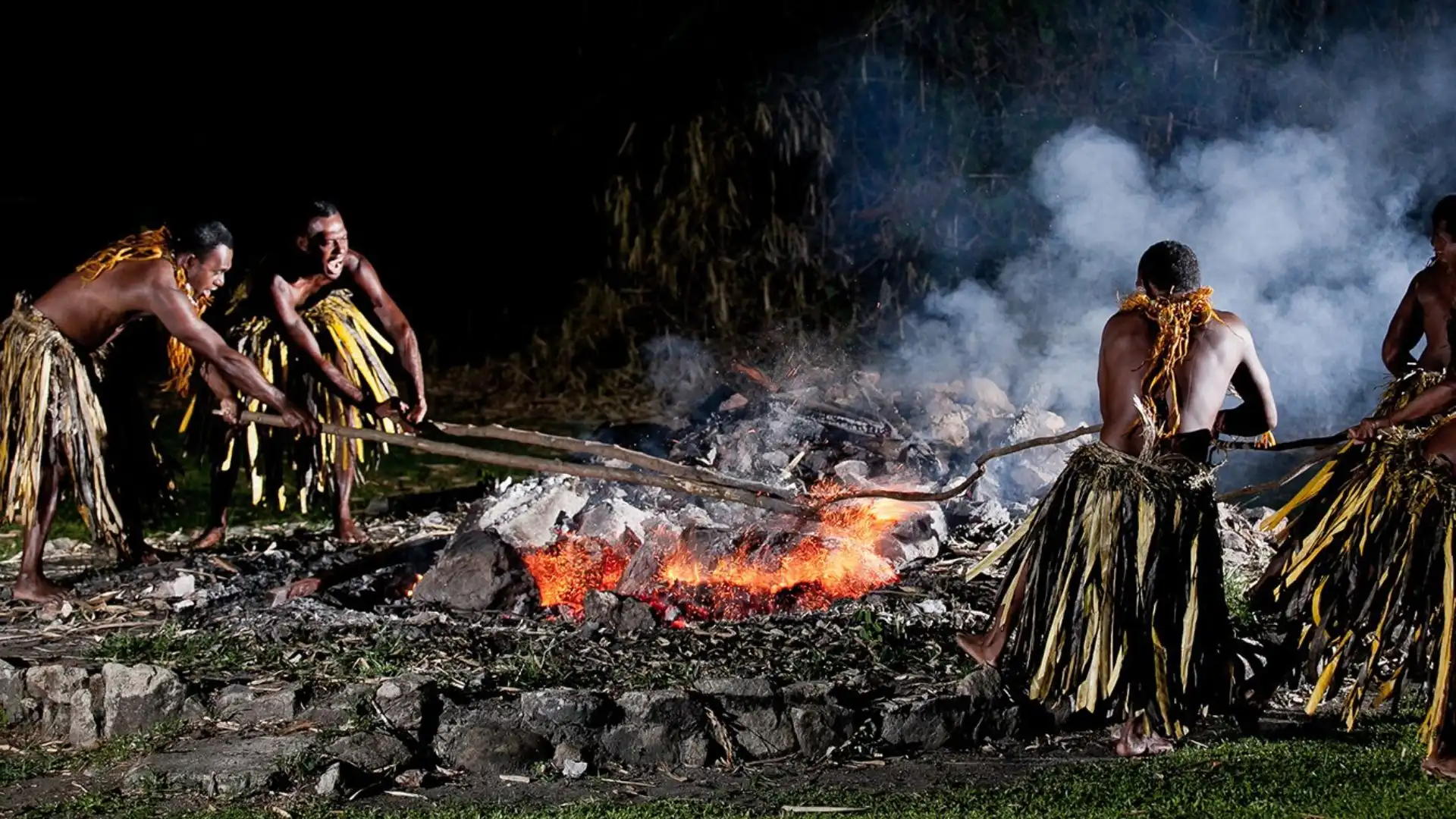
The Legend of the Fire God
According to Sawau tribal legend, the firewalking ability was granted by Tui Namoliwai, a powerful fire god who appeared to their ancestor Tunaiviqalita over 500 years ago. The deity emerged from a spirit house surrounded by flames and bestowed upon the Sawau people the supernatural power to walk unharmed across white-hot stones as a reward for their spiritual devotion and respect for the natural world.
This divine gift came with sacred responsibilities and strict taboos that practitioners must observe to maintain their immunity to fire. The ceremony serves not only as a demonstration of supernatural ability but as a profound spiritual connection between the living and ancestral spirits, maintaining cosmic balance between the physical and spiritual realms. Those seeking to understand the broader spiritual landscape of Fiji can explore similar sacred traditions through a comprehensive Sacred Sites & Temples Tour that reveals the islands' ancient spiritual heritage.
Sacred Bloodline
The firewalking ability is inherited through specific bloodlines within the Sawau tribe of Beqa Island. Only direct descendants of the original fire god's chosen ones can perform the ceremony, making this one of the world's most exclusive spiritual practices. The gift typically manifests during adolescence and requires years of spiritual preparation and training.
Sacred Preparation Rituals
Firewalking preparation begins weeks before the ceremony with strict spiritual purification rituals. Practitioners must observe numerous taboos including avoiding certain foods, abstaining from physical intimacy, and maintaining spiritual focus through daily prayers and meditation. The preparation period serves to strengthen the connection between firewalkers and their ancestral spirits.
Dietary Restrictions
Sacred fasting and avoidance of specific foods that could weaken spiritual connection to fire spirits.
Spiritual Cleansing
Daily purification rituals using sacred plants and traditional prayers to ancestral spirits.
Mental Preparation
Meditation and visualization exercises to achieve the spiritual state necessary for fire immunity.
Ancestral Connection
Communication with deceased firewalkers through dreams and spiritual visions for guidance and protection.
The Ceremony Process
The firewalking ceremony follows ancient protocols that have remained unchanged for centuries. The ritual begins at dawn with the construction of a massive stone oven called a "lovo" using specially selected volcanic rocks that retain extreme heat. These stones are heated for 6-8 hours using hardwood fires until they glow white-hot, reaching temperatures exceeding 400°C (750°F). The preparation of this sacred lovo follows the same ancient techniques used in Traditional Fijian Cooking Classes, where visitors can learn these time-honored methods in a cultural context.
As the stones heat, practitioners gather in the village temple for final prayers and spiritual preparation. Traditional chants invoke ancestral protection while village elders perform blessing rituals that ensure the ceremony proceeds safely and maintains its sacred significance.
Stone Preparation
Sacred volcanic stones heated for 6-8 hours to white-hot temperatures using traditional hardwood fires.
Spiritual Invocation
Ancient chants and prayers calling upon fire spirits and ancestral protection for the ceremony.
The Sacred Walk
Barefoot crossing of glowing stones while maintaining spiritual trance and connection to fire gods.
The Mystical Walk Across Fire
When the stones reach optimal temperature, firewalkers enter a trance-like state and approach the glowing pit with unwavering confidence. The actual firewalking occurs in complete silence except for the crackling of heated stones and whispered prayers. Practitioners walk slowly and deliberately across the white-hot surface, their faces serene and focused on spiritual connection rather than physical sensation.
Extreme Temperatures
Stones reach 400°C+ (750°F+), hot enough to cause instant severe burns to unprotected individuals.
Spiritual Trance
Practitioners enter altered consciousness state that provides supernatural protection from heat damage.
Unharmed Feet
Firewalkers emerge with no burns, blisters, or visible damage to their feet after crossing hot stones.
Scientific Mystery and Spiritual Reality
The firewalking phenomenon has attracted scientific attention for decades, with researchers attempting to explain how human feet can withstand such extreme temperatures without injury. Various theories including brief contact time, moisture protection, and altered pain perception have been proposed, yet none fully account for the complete absence of burns observed in authentic ceremonial firewalking.
Western science struggles to explain what Sawau practitioners understand as spiritual reality—their immunity comes not from physical protection but from supernatural intervention by ancestral spirits and fire gods. This divergence between scientific and spiritual explanations highlights the profound mystery that continues to surround this ancient practice.
Documented Phenomena
- Practitioners show no signs of burns, blisters, or heat damage after firewalking.
- Stones reach temperatures confirmed to exceed 400°C using infrared thermometers.
- Firewalkers maintain normal walking pace across 4-6 meters of glowing stones.
- Non-practitioners attempting firewalking suffer immediate severe burns.
- Ceremonial immunity extends only during proper spiritual preparation and ritual context.
- Photographic evidence shows feet in direct contact with white-hot stone surfaces.
Sacred Taboos and Restrictions
The firewalking gift comes with numerous sacred taboos that practitioners must observe throughout their lives. Breaking these restrictions can result in loss of fire immunity and spiritual consequences that affect not only the individual but their entire family lineage. These taboos reinforce the ceremony's sacred nature and distinguish authentic spiritual practice from mere performance.
Taboos include restrictions on diet, behavior, and spiritual practices that maintain the delicate balance between human and spirit worlds. Practitioners must also observe specific protocols when teaching the tradition to younger generations, ensuring that sacred knowledge remains protected while allowing cultural continuity. Visitors can gain deeper understanding of these cultural preservation efforts through an immersive Fijian Village Homestay, where traditional protocols and community values are experienced firsthand.
Cultural Significance and Community Role
Beyond its spectacular visual impact, firewalking serves crucial functions within Sawau society as a source of cultural pride, spiritual guidance, and community identity. The ceremony reinforces tribal bonds while connecting community members to their ancestral heritage and traditional belief systems that predate European contact.
Firewalking practitioners hold positions of respect within their communities, serving as spiritual leaders and cultural guardians. Their ability to commune with fire spirits makes them valuable intermediaries for community problems, healing rituals, and important decisions that require ancestral guidance. To understand how traditional village governance operates alongside these spiritual practices, visitors can explore the authentic community structures preserved at Navala Traditional Village.
Witnessing the Sacred Ceremony
Visitors to Beqa Island can witness authentic firewalking ceremonies during special occasions and cultural festivals, though these experiences require advance arrangement and cultural sensitivity. The Sawau people have carefully balanced cultural preservation with tourism opportunities, ensuring that ceremonies maintain their sacred integrity while sharing their remarkable tradition with respectful guests. To ensure you participate with proper cultural awareness and avoid unintentional offense, it's essential to understand and follow protocols for respecting local customs in Fijian villages.
Visitor Guidelines for Firewalking Ceremonies
- Book through authorized cultural centers or resorts with proper village permissions.
- Present traditional sevusevu (kava offering) to village chief upon arrival.
- Maintain respectful silence during spiritual preparation and ceremony.
- Photography may be restricted during sacred moments - always ask before taking photos to respect cultural boundaries and sacred spaces.
- Dress conservatively with shoulders and knees covered as sign of respect.
- Do not attempt to touch or interfere with ceremony elements or participants.
- Participate in post-ceremony feast and cultural sharing if invited.
Preserving Ancient Traditions
The Sawau tribe works diligently to preserve firewalking traditions while adapting to modern challenges including urbanization, religious changes, and tourism pressures. Younger generation training ensures cultural continuity, though fewer individuals demonstrate the spiritual dedication required to develop firewalking abilities.
Cultural education programs help maintain traditional knowledge while respectful tourism provides economic benefits that support community development. This careful balance allows ancient traditions to survive in the modern world while retaining their authentic spiritual significance. Visitors can meaningfully contribute to these preservation efforts by supporting women-led sustainable enterprises that help communities maintain their cultural practices while generating income through traditional crafts and cultural tourism.
Getting to Beqa Island
Beqa Island lies approximately 10 kilometers south of Viti Levu and is accessible via boat transfers from Pacific Harbour or Suva. For those traveling from the capital, detailed information on how to get to Suva provides essential transportation options before continuing to Beqa. Several resorts on the island, such as the environmentally conscious Nanuku Resort, offer comprehensive firewalking ceremony packages that include accommodation, meals, and cultural experiences with proper village protocols observed.
Day trips from mainland Fiji are possible but overnight stays provide deeper cultural immersion and better opportunities to understand the spiritual context surrounding firewalking traditions. Most authentic ceremonies occur during special occasions rather than on scheduled tourist timetables. When planning your visit, check weather conditions in Suva to ensure optimal travel conditions for your boat transfer to Beqa Island.
Other Cultural Experiences on Beqa
Beyond firewalking, Beqa Island offers numerous cultural experiences including traditional village visits, handicraft workshops, and participation in daily community life. The island's pristine coral reefs provide world-class diving opportunities, particularly at the renowned Beqa Lagoon Shark Dive, where traditional marine conservation practices protect these waters. Traditional fishing expeditions from Paradise Beach, Beqa Island showcase sustainable marine practices used for generations by island communities.
Visitors can deepen their cultural understanding through hands-on experiences such as traditional Fijian cooking classes using the same earth oven techniques employed in firewalking preparation, learn ancient navigation techniques passed down through generations, and participate in traditional crafts including tapa making and wood carving at a Traditional Weaving Workshop. These experiences provide essential context for understanding the rich cultural foundation that supports and sustains the firewalking tradition.
Best Times to Experience Firewalking
- Bose Vakaturaga (Great Council of Chiefs) meetings often include ceremonial firewalking.
- Traditional festivals and community celebrations may feature special ceremonies.
- Resort-arranged demonstrations occur throughout the year with proper village protocols.
- Wedding ceremonies and coming-of-age rituals sometimes incorporate firewalking elements.
- Christian holidays may blend traditional firewalking with religious celebrations.
- Cultural festival periods offer the most authentic and spiritually significant ceremonies.
Spiritual Impact and Personal Transformation
Witnessing authentic firewalking ceremonies often profoundly impacts visitors, challenging Western materialistic worldviews and opening minds to alternative spiritual realities. Many guests report feeling deep respect for indigenous wisdom and gaining new appreciation for the power of faith, tradition, and community bonds.
The ceremony demonstrates that human potential extends far beyond conventional limitations when supported by genuine spiritual belief and cultural foundation. This revelation often inspires visitors to examine their own spiritual practices and cultural connections, creating lasting personal transformation that extends well beyond their Fiji visit. For those seeking to explore more of Fiji's spiritual heritage and understand the broader cultural context of these traditions, the Fiji Museum Cultural Center in Suva offers comprehensive exhibits on indigenous beliefs and practices.
Witness the Impossible Made Real
The firewalking ceremony of Beqa Island offers visitors an extraordinary opportunity to witness one of the world's most authentic and mystifying spiritual traditions. This ancient practice challenges our understanding of human limitations while demonstrating the profound power of cultural heritage, spiritual belief, and ancestral connection. By respectfully observing this sacred ceremony, visitors gain unique insights into alternative ways of understanding reality while supporting the preservation of invaluable indigenous wisdom. Each firewalking ceremony serves as a bridge between worlds—connecting ancient spiritual practices with modern consciousness and reminding us that mystery and wonder still exist in our increasingly explained world.